Archives May 2014

Eat well, sleep well

sleep

Having a hard time falling asleep? Tired of tossing and turning the whole night? Or perhaps you do fall asleep but keep waking up in the wee hours of dawn? You just might be suffering from insomnia. This sleep disorder can affect your health as well as your performance at work and the quality of your life in general.

Most people need seven to eight hours of quality sleep to feel refreshed and energized the next morning. However, due to stress, hormonal imbalance, lack of exercise, pain, medications, nutrient deficiencies, distractions, advancement in technology, and unhealthy eating habits, many suffer from lack of sleep.

Sleep deprivation has been strongly linked to weight gain. When we lack sleep, ghrelin, a hunger-stimulating hormone, increases our appetite which leads to overeating and weight gain. When we are sleep deprived, our body gets stressed out and the level of cortisol, a stress hormone, also increases which leads to weight gain.

Stop counting sheep and get some quality zzzs by eating foods that promote sleep and avoiding foods that prevent it.


WHAT TO AVOID

• Caffeine is the number one culprit in insomnia. It is largely found in coffee but may also be found in black tea, chocolates, soda, and energy drinks. Avoid caffeinated beverages and food eight hours before bedtime.

• While alcohol can make you feel drowsy, it can disrupt the deep, late night phase of sleep that is very crucial for one’s wellbeing. Avoid alcoholic beverages two hours before sleeping.

• High fat, high sugar, and heavy meals can cause indigestion, excess energy, heartburn, GERD (gastroesophageal reflux), and can make one feel uncomfortable. A full meal should be eaten not less than three to four hours before going to bed. Give your body enough time to digest food efficiently.

• If you find yourself waking up many times throughout the night to go to the toilet, avoid drinking too much water at night or just right before bedtime. It is important to drink eight to 10 cups of water per day but drink most of it during daytime.

WHAT TO EAT

• Milk contains the amino acid tryptophan which gets converted into the hormones serotonin that promotes relaxation and melatonin which induces sleepiness. It is best to drink warm nonfat or low fat milk at least an hour before sleeping.

• Other tryptophan sources are chicken, tuna, turkey, soy products, yogurt, whole grain crackers, and other protein foods.

• Green tea, fruit tea, and decaffeinated tea all contain theanine which promotes relaxation and sleep. Drink a cup after dinner or before bedtime.

• Eat foods that are rich in minerals like calcium, magnesium, and potassium. These minerals relax the nervous system as well as the muscles. Calcium also regulates melatonin production. Good sources of these minerals are green leafy vegetables, oats, almonds, and walnuts. Milk and sardines are rich sources of calcium.


WHEN TAKING SLEEPING AIDS

Valerian and Melatonin are being sold as supplements to promote sleep and combat insomnia. They should not be taken without a doctor’s advice because they can cause dizziness, headaches, sleepiness during daytime, digestive problems, and can interact with some medications that could lead to serious health conditions.


WHEN TO SEE A DOCTOR

Sometimes it’s inevitable for us to experience lack of sleep but if it becomes a cycle that disrupts quality of life, work performance, and is starting to affect your health, it is time to seek medical advice for proper diagnosis and treatment.

(For comments email [email protected] or visit www.cheshireque.com. Twitter: CheshireQue.)

The chemotherapy diet

Nutrition intervention plays a vital role in preventing, managing, treating and, surviving cancer.

Nutrition intervention plays a vital role in preventing, managing, treating and, surviving cancer.

In one of the episodes of the popular American television sitcom “Sex and the City,” Samantha Jones was diagnosed with breast cancer. Despite her illness, she looked like she was having the time of her life in a fabulous hospital suite surrounded by her best friends all looking impeccably fashionable while eating popsicles to support Samantha during her chemotherapy session.

How I wish it was that easy but that scene albeit a very nice one is far from reality. I have suffered the pain of supporting and losing loved ones over cancer. I watched my grandfather take his last breath in the ICU after undergoing surgery for colorectal cancer. I saw how my favorite grand aunt’s body wasted away while leukemia was eating her alive. I held my dearest aunt’s hand while she was undergoing chemotherapy. I cried with her when her hair started to fall off. I rejoiced with her when she survived breast cancer.

This dreaded disease affects a patient physically, psychologically, emotionally, and even spiritually. It also greatly impacts the lives of the patient’s loved ones.

Chemotherapy and Radiation Therapy are the most common treatment for cancer. Patients mostly experience side effects like nausea, vomiting, constipation, diarrhea, sore/dry mouth and throat, lack of appetite, weight loss or gain. Some medications may be prescribed to lessen the side effects but it is important for a patient to know what to expect and be guided on what to do.

Nutrition intervention plays a vital role in preventing, managing, treating and, surviving cancer. There are two factors needed to be addressed: feelings and food intake.

Feeling depressed and fatigued after chemotherapy cause lack of appetite and lead to inadequate nutrition and eventually weight loss. Other symptoms of side effects also affect food intake. It is important to rest whenever exhausted and eat small frequent meals or snacks when able or hungry. Food preference and favorite foods must always be considered when there is lack of appetite. Drink beverages that contain calories: non-fat or low fat milk, 100 percent fruit juice, and smoothies. Meal replacements can also increase energy and nutrient intake.

Vomiting can be addressed by prescribed anti-emetic drugs. However, nausea can be managed by eating the right foods at the right time. It is best to nibble food more often and avoid an empty stomach. Ginger tea or locally known as salabat has been proven to relieve nausea. Eat bland foods as too much seasoning, spices, and fat can trigger nausea. Salty foods like crackers may also help. Avoid foods with strong aroma by using a straw to drink and staying out of the kitchen when it’s food preparation and cooking time.

Soreness and dryness of the mouth and throat can be lessened by avoiding irritating and acidic foods like citrus, crunchy and dry foods, hot liquids and foods, alcohol and foods with small seeds. Be mindful of the texture, consistency, and temperature. It is best to choose warm or frozen, soft or liquid foods like soup, popsicles, frozen fruits, yogurt, milk, porridge, and hard boiled or poached egg.

To prevent or relieve constipation, consume fiber-rich foods like black, brown or red rice, whole wheat or multigrain breads and crackers, oatmeal, lentils, fruit juice with pulp, fruits, and vegetables. It is important to drink plenty of water to help expand the fiber in the gut.

Medication may be needed to control diarrhea but foods can also help control this problem. Eat soluble fiber sources such as banana, peeled apple and pear, warm tea, white rice, and toasted white bread.

To decrease episodes of nausea, vomiting, and diarrhea, liquids should not be taken during meals. Lying down after meals can also alleviate these conditions.

Emotional eating may lead to weight gain. If you find comfort in food, it is recommended to seek professional help and consider counseling, support groups, alternative treatments like massage, art therapy, music therapy, yoga, breathing techniques, and the like. Manage stress by praying, reflecting, communicating and, staying away from negativity. Walking can also help relieve stress.

Having cancer is not easy but here is always hope for everyone.

“Hope is the thing with feathers that perches in the soul and sings the tune without the words and never stops at all.” – Emily Dickinson

(For comments email [email protected] or visit www.cheshireque.com. Twitter: CheshireQue)

10 simple truths about food and fertility

veg

You fell in love, tied the knot and wished to live happily ever after. And then like a bad dream, you and your spouse find yourselves struggling to produce a little prince or princess. So sad, isn’t it?

A survey conducted by a prestigious pharmaceutical company revealed that one out of 10 Filipino couples have infertility problems.

The Mayo Clinic defined Infertility as not being able to get pregnant despite having frequent, unprotected sex for at least a year for most people and six months in certain circumstances.

While some factors that cause infertility cannot be controlled, diet and lifestyle are controllable factors that can be improved to help a couple conceive.

• Aim for a normal BMI or body mass index of 18.5 to 24. This means you should be within a healthy weight range according to your height. Being overweight and underweight can cause hormonal imbalance that could disrupt a woman’s menstrual cycle and stop ovulation. Underweight men may decrease sperm count and function. Low sperm count and slow motility can also be brought about by being overweight. It is best to consult a registered dietitian for proper weight management.

• Cut down on caffeine intake. Consuming more than two cans of soda or two Grande-sized coffee can delay conception. Other beverages that contain caffeine are tea, chocolate and energy drinks. A serving per day is enough if you need a dose of caffeine to perk up your senses in the morning.

• Zinc is not only a mineral but also acts as an antioxidant that prevents sperm damage. Zinc deficiency causes your sperm count to decrease. Good sources of Zinc are lean meat, beans and dairy products.

• Women should increase iron stores to ensure optimal ovulation. It is important to have sufficient iron stores even before conceiving to ensure a healthy baby in the future. Lean meat, egg yolk, dark green leafy vegetables, raisins, prunes, whole grains, beans and iron-fortified cereals are good sources of iron. If you consume plant sources of iron, it is best to eat foods rich in Vitamin C like citrus fruits and fresh juices, berries and bell peppers to enhance absorption.

• Load up on antioxidants, vitamins and minerals from fruits and vegetables. Eating two servings of fruits and three servings of vegetables everyday will help protect the sperm cells and egg cells from being damaged. Vitamin and mineral deficiencies can cause difficulty in fertilization and implantation of a woman’s egg.

• Vitamin D or what I call the sunshine vitamin is essential for the formation of the egg cell. It also helps in controlling insulin in the body. Insulin resistance and elevated blood sugar level may disrupt the process of releasing egg during ovulation. Ten minutes of daily sun exposure in the morning can increase Vitamin D stores. Dairy products, beef, egg yolk and fatty fishes like salmon, tuna, mackerel and sardines are rich sources.

• Although folic acid cannot make you fertile, it is important to consume dark leafy vegetables and fortified grains as well as take supplements before conception. This will prevent your future baby from having neural tube defects which affects the brain, spine and spinal cord.

• Extreme exercise and sports may cause a woman to become underweight and have hormonal imbalance that will disrupt the ovulation cycle. Extreme physical activity also affects the testosterone level among men. Low levels of the hormone testosterone decreases sperm count. Thirty to 60 minutes of moderate exercise on most days of the week is enough to achieve a healthy weight and decrease health risks.

• Avoid smoking, alcohol and illegal drugs. These substances damages the sperm and causes low sperm count. Consult a medical doctor if you are suffering from addiction to any of these substances.

• Finally, whenever I counsel couples who come to me for fertility diets, I always encourage them to support each other, communicate, de-stress, pray, be partners in pursuing a healthier lifestyle and try to find joy in their season of waiting. Take it one step at a time starting with a healthy diet and lifestyle.

For comments email [email protected] or visit [email protected]. Twitter: CheshireQue

I do

In sweetness and in health

18meter-diabetes-doing-glucose-level-test

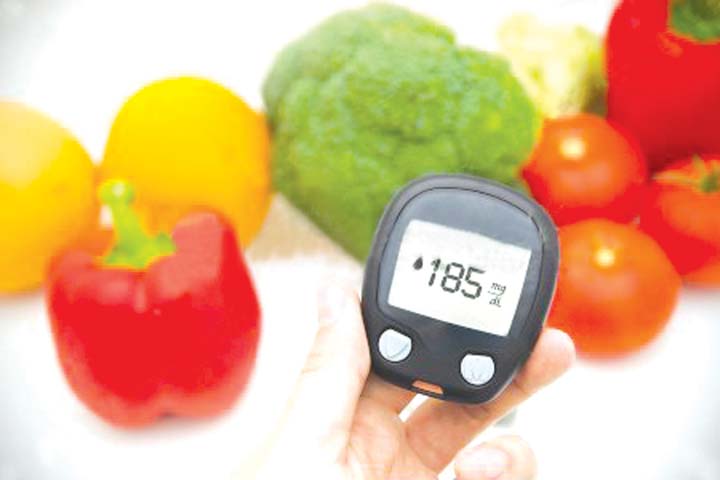
No I’m not getting married anytime soon but since it’s the love month, let us talk about how married couples live the sweet life. I have counseled many couples inflicted with Diabetes and it’s a far cry from living a genuine sweet life. They face challenges and major adjustments in dealing with this lifestyle related disease. Whether only one spouse is affected or both, Diabetes is best managed with the help and support of the spouse. Partnership is the key to manage and prevent it.

Kaberi Dasgupta, MD, from McGill University Health Centre (MUHC), Montreal, Quebec, told Medscape Medical News in an interview: “If possible, work with both members of the couple to achieve optimal diabetes management. They may be able to support each other.”

Remember the vow “In sickness and in health?” Well if your spouse has Diabetes, you should also be screened because your lifestyle, eating habits, food preference, physical activities and exercise patterns are likely to be similar if not exactly the same. According to the American Diabetes Association, spouses of patients with type 2 diabetes have a significantly increased risk of glucose intolerance and type 2 diabetes, and they should be classified as high risk for diabetes.

Dr. Dasgupta said: “If you diagnose diabetes in one spouse, consider evaluating the other.” A research done on 75,498 couples showed a 26 percent increase in the risk of diabetes if the partner is diabetic.

Here are some tips on how to deal with the challenges of living the sweet life:

• Avoid nagging. Wives have cried in my clinic saying: “I’m just concerned! I remind him because I want him to eat healthy!” and I’ve heard husbands complain: “She watches everything I eat. I feel deprived!” Nagging is not being supportive. A gentle reminder is helpful but always remember to respect your spouse’s decision and individuality. Do not impose. Instead of nagging, try to set a good example by living a healthier lifestyle. Actions speak louder than words. Now to the spouse with Diabetes, it may come out as nagging but understand the reason behind the irritatingly constant reminding and prodding – love and the genuine desire of your spouse to make you healthier and live longer.

• Avoid tempting your spouse with unhealthy food choices. If you want your spouse to have a controlled blood sugar level, consider the foods made available at home. Be sensitive enough not to eat high caloric and sugary foods in front of your spouse especially if he or she can be easily tempted to give in to food cravings. If you don’t want to deprive yourself of these foods, at least keep it away from your diabetic spouse’s sight. Remember the saying: out of sight, out of mind.

• Avoid reacting negatively to mood swings. Hypoglycemia or low blood sugar level can cause irritability, confusion, weakness and nervousness. Don’t take it personally rather gently ask your spouse to check for blood glucose level. If it is below 70 mg/dl, immediately give 15 grams of carbohydrates which is equivalent to the 1/2 cup of fruit juice, milk or soda; five pieces of hard candy; or three teaspoons of sugar or honey to increase blood sugar to normal level.

• Avoid being silent when sexual problems arise. Erectile dysfunction is common among men with diabetes and vaginal infections are common among women. It is important to communicate with your spouse and seek medical advice to treat these problems. It is also recommended to consult a registered dietitian to help you make healthy food choices which include low-glycemic foods that do not rapidly increase your blood sugar level upon ingestion. A healthy diet, regular physical activity, behavior modification with medication can help control blood sugar levels and prevent complications of diabetes.

(For comments email [email protected] or visit www.cheshireque.com. Twitter: CheshireQue)

Cheat day no more!

“Is there such thing as a cheat day?” a fitness coach from SkyFitness asked me. My answer to this kind of question has always been the same: Ideally no but realistically speaking yes.

Most of us go through a lot of stress during the week and we don’t get to spend much time with our love ones. Therefore, some of us look forward to rewarding ourselves on weekends by having a “cheat day.”

“Cheat day” is a coined term that means indulging oneself with perceived “unhealthy but delicious food” which is high in sugar, fat and calories.

“Is it ok to have a cheat day?” the SkyFitness coach asked again. I replied: “It depends on how you spend your cheat day.” It is important to understand that having a cheat day is not a license to binge nonstop for 24 hours. Having a cheat day can still be healthy. Here’s how:

Plan when and where you want to dine out. If you decide to go out for breakfast then your lunch and dinner should be lighter. If you want to go out for lunch then your breakfast and dinner should be lighter and so on. It is best to eat food that you probably won’t be able to order or eat in sufficient amount when dining out.

• Load up on fiber before going out. Eat fresh fruit, steamed vegetables or salad with low fat dressing, and oatmeal or cereal.

• Drink and eat low fat or non-fat milk and dairy products like yogurt for breakfast or snacks.

• Hydrate yourself by drinking water, clear soup, fresh fruit and vegetable shake and 100 percent fruit juice.

• When it’s time to “commit the crime” and enjoy your cheat day, remember these tips to prevent excessive intake of calories which could make you gain one to three pounds or even more!

• When ordering, request for those huge servings of entree and dessert to be split into smaller portions which you can share with your family or friends. Sharing stories and calories over dinner is more fun and healthier.

• Avoid drinking your calories. If you’re eating a full meal, it is best to save up on calories by just drinking water instead of ordering high caloric sweetened and alcoholic beverages.

• Eat slowly and take time to communicate with your family and friends. When you eat too much food too fast, you will surely eat more than the amount needed to satisfy your hunger.

Filipinos frequent the malls to relax and have their cheat day on weekends. Being a health advocate and dietitian consultant for the past 11 years, I was delighted to find out that some prestigious establishments in our country actually care for their clients’ wellbeing by promoting wellness.

I came across a recent wellness campaign called Live Healthy at Eastwood City by Megaworld Lifestyle Malls and Eastwood City. Fitness buffs, health enthusiasts and those looking to get fit and fab this 2014 have a variety of healthy dining options to choose from with the help of a free menu-like brochure called A Healthy Menu for a Healthier You developed by Ms. Nadine Tengco of Biggest Loser which is available at the concierge.

It is also important to have extra physical activity to burn the excess calories that will be eaten or may have been eaten during your cheat day. Take some time to exercise for at least 30 minutes on Saturdays and Sundays.

If you want to try something new aside from brisk walking, free weekend workout sessions of Zumba, Retro, Body Jam, Hip-hop, Yoga and Body Combat will be open to anyone interested every Saturday at the Eastwood Mall Open Park until March 8. Registration starts at 8:00AM. Have a happy healthy cheat day!

For comments email [email protected] or visit www.cheshireque.com Twitter:CheshireQue

Kung hei FAT choi!

28Angkong


I am a Filipino by birth and by heart but my surname “Guo, Que” is a constant reminder that I have Chinese blood coursing through my veins. As the Filipino-Chinese celebrate the new year, I’d like to share about the health benefits of the traditional Chinese way of eating.

Chinese cuisine has acquired a bad reputation for being greasy, high fat, high caloric, high sodium and generally BAD FOR EVERYONE’S HEALTH. I would put the blame on a number of restaurants who bastardized the Chinese traditional way of preparing food by adding ingredients and modifying cooking methods which made the dishes high in fat and sodium.

My grandmother is turning 94 this year and she is very healthy. My grandfather joined our creator at the age of 90. He had no known diseases related to poor diet. I grew up having lunch and dinner with them everyday for 14 years! And believe me when I say, I literally ate Chinese food everyday. The word burger was alien to me. Even when we would eat out, my family would go to a Chinese restaurant.

My grandparents’ diet were patterned after the healthy Chinese traditional way of preparing food and eating. They had three square meals and snacks in between. They never worried about their caloric intake but still managed to stay healthy for a very long time. Even more than the average life expectancy of 71 years. One thing is for sure. The food that they ate were very different from the unhealthy Chinese dishes we are so familiar with nowadays.

Yin foods (moist) are carbohydrates like rice and noodles that cool the body down. Yang foods (dry) are protein sources like fish and meat that heat the body up. Balance is important. Carbohydrates and protein rich foods should be eaten together to maintain normal blood sugar levels and decrease the risk of developing diabetes.

Bowls are frequently used instead of plates simply because Chinese people love soup. None of those thick cream-based soups of course. Chinese soups are broth-based. These are low in fat, keeping the body well hydrated and making one feel fuller thus decreasing the amount of food eaten.

Vegetables are not considered side dishes. They are a major part of Chinese meals. Increased intake of fruits and vegetables have been linked to decreasing health risks like cancer, heart diseases and diabetes. Green leafy vegetables are also rich in calcium.

Eleven years ago, I traveled to China with my parents and I remember my father said that he already tasted each and every tofu dish China has to offer. We were fed tofu in every meal for almost two weeks! You may not want to eat tofu every day but I suggest you try to eat it often because it is good for the heart and it helps relieve symptoms of menopause among women. Tofu helps decrease bad cholesterol and is a good source of calcium and protein. If you are taking thyroid medications for hyperthyroidism, allow at least four hours before consuming soy products to ensure absorption of your medication.

Chinese people drink tea the way we Filipinos drink water. I learned that when I ask for water in China, I will be served tea. Tea is rich in flavonoid, an antioxidant that has been proven to promote heart health. Tea also cleanses the digestive system.

Eat smart the next time you go to a Chinese restaurant. Remember to practice portion control to avoid weight gain thus increasing your health risks. Avoid foods that have thick sauces, are breaded and fried. Go easy on the Peking duck, fried rice and noodles. Choose the following healthy choices:

• Broth-based soups like wonton and hot-and-sour

• Steamed spring rolls and dumplings

• Vegetable dishes with chicken, scallops and shrimps

• Steamed brown or white rice

• Soft noodles

• Steamed fish

• Grilled, steamed and simmered dishes

• Tofu

Happy Chinese New Year!

(For comments email [email protected] or visit www.cheshireque.com. Twitter: CheshireQue)

Food for the Brain

Because it should not be a no-brainer

food for the brain


We often associate unhealthy eating habits to the development of common diseases such as diabetes, hypertension and other heart diseases, right? But we don’t give much thought to how our diet can affect brain health. Oftentimes, we just accept the fact that memory loss or decline in brain function is expected as we age and forgetfulness is all part of aging.

Lack of sleep, stress, level of physical activity, lack of energy, depression and other factors can cause someone to be forgetful. However, diet also plays a major role in brain health.

Recent studies have shown that the foods found in the Mediterranean Diet help with memory, mental alertness and cognitive function (knowing, reasoning, perception, awareness and judgment).

According to the Mayo Clinic, research has shown that the traditional Mediterranean diet reduces the risk of heart disease. In fact, an analysis of more than 1.5 million healthy adults demonstrated that following a Mediterranean diet was associated with a reduced risk of death from heart disease and cancer, as well as a reduced incidence of Parkinson’s and Alzheimer’s diseases.

Therefore, a heart friendly diet is also brain friendly because it promotes good blood flow to the brain. The Mediterranean diet is high in fruits, vegetables, whole grains and legumes. Fish and seafood is consumed in moderate amounts as well as some poultry, eggs, cheese and yogurt. Meats and sweets are eaten occasionally. Olive oil is used for cooking and a glass of red wine is sometimes included. Red wine contains resveratrol which is good for the heart. However, one should be cautious in drinking alcoholic beverages despite the health benefits.

Adequate energy intake from foods rich in carbohydrates, protein and fat can enhance memory. It is important to have a well-balanced diet because no single food can give you all the nutrients that the brain needs. Therefore do not restrict your diet and avoid “no-carbs” or “no-rice” diet!

Antioxidants are not just for preventing cancer. Flavonoids, a type of phytonutrients or antioxidants found in fruits and vegetables, help prevent age-related cognitive decline and deterioration of brain cells called neurons.

Remember the saying “an apple a day keeps the doctor away?” Well, an apple does more than just keep the doctor away. It contains flavonols, a type of flavonoid that has been found to protect vulnerable brain cells as well as enhance their function.

Here are some plant foods that are good sources of flavonoids:

• apple

• broccoli

• onion

• tea

• berries

• citrus fruits

• kiwi

• grapes

• eggplant

• cabbage

We all heard that omega 3 fatty acid is good for the heart because it lowers bad cholesterol. If it’s good for the heart then it’s also good for the brain. According to Andrea Giancoli, RD, registered dietitian and Academy of Nutrition and Dietetics spokesperson, “DHA is the most abundant fatty acid in the brain. It makes sense that if you have higher levels of DHA in the blood, then the brain will operate more efficiently.”

Omega-3 is abundant in fatty fishes like salmon, tuna and sardines. Oatmeal and walnuts are also high in omega 3. Take a close look at a walnut. It’s shaped like a human brain or maybe it’s just my imagination working from all the brain food I regularly eat!

(For comments email [email protected] or visit www.cheshireque.com. Twitter: CheshireQue)

Holy and healthy: Fasting

14fasting


As the new year begins, the strong desire to start with a clean slate is common. We set goals on health, career, finances, relationships and spiritual life among others. Let us set aside differences in religions and focus on an ancient practice that involves food restriction and commonly observed by various religions for spiritual purposes – Fasting. It is customarily done at the start of the year, during the lenten season and ramadan (Islam).

According to Susan Gregory, author of The Daniel Fast, the definition of a biblical fast is “to restrict food for a spiritual purpose.” Therefore, fasting goes way beyond dieting. When we fast, we set aside the basic human need, food, and spend more time with God through prayer, reading the Bible, meditation and worship. Now, I don’t want to sound too preachy. This is an overview of the health benefits of fasting as well as some practical guides.

Martha Grogan, MD of Mayo Clinic said that people who routinely fast have better heart health than people who don’t because they exhibit self control which translates into better eating choices when not fasting. Regular fasting can decrease bad cholesterol and improve glucose (sugar) metabolism which reduces the risk of weigh gain, developing diabetes and heart diseases.

Types of fast

Absolute fast means no food or water intake. Some religions don’t eat or drink anything all throughout daylight and allow food only after sundown and dawn. Going without food and water the whole day and night for a prolonged period of time is not recommended due to health risks.

Water fast also known as normal fast allows water intake only. All types of food and beverages are restricted.

Liquid fast usually includes consumption of water, fruit and vegetable juices, milk and soups. Alcohol, sugary and caffeinated beverages are excluded.

Partial fast allows some food to be consumed like whole grains, fruits and vegetables and restricts some food like meat, fat, sugar and alcohol. This type of fast may vary in combinations depending on one’s preference. Others choose to have one meal a day and others may have more.

The Daniel Fast is a partial fast that is similar to vegan but is more restrictive. Animal products, alcohol and sweeteners whether natural or artificial are not allowed.

Preparing to fast

It is important to condition your mind and body in preparation for fasting to prevent health problems and to help you focus more on the spiritual purpose of fasting.

• Pray and decide about the type of fast and the length of time you want to commit to.

• Plan your activities well and devote more time to praying and reading. Avoid strenuous activities which could drain your energy and make you more hungry.

• Gradually decrease the amount of food and caffeine that you consume days before you begin fasting to prevent headache, dizziness, food cravings and hunger pangs.

• Keep yourself well hydrated. Drink water even when you’re not thirsty.

Breaking the fast

When the body is deprived of energy and nutrients for a period of time, the body cells starve and make us crave for starchy foods. Glucose from carbohydrates is the primary source of energy for the brain and body. If we give in to this craving and mindlessly eat high caloric foods, the health benefits gained will be gone and the weight lost during the fast will come back in no time. Practice self-control and continue to make healthier food choices after the fast.

Gradually introduce solid food to your body to prevent indigestion or stomach upset. Be mindful of the consistency and amount of food. Start with small amounts of liquid to soft foods like soup, porridge and fruits and progress to bread, rice, fish and small portions

Fasting has a lot of benefits however individuals who have medical conditions should consult their physician before undergoing a fast. They should work with their nutritionist-dietitian in planning their food intake during the fast to prevent serious complications.

For comments email [email protected] or visit www.cheshireque.com. Twitter: CheshireQue

All about diet myths

Happy Healthy New Year! Give yourself a pat on the back if you’ve managed to maintain your weight during the holidays. Now don’t fret if you’ve gained a few pounds from the endless parties you’ve attended. It’s not the end of the world. Besides, you have an entire year to adapt a healthier lifestyle and achieve a healthy weight range this 2014.

There are many ways to lose weight. However, there are also a number of diets and practices that could be detrimental to your health. Not all diets are beneficial even if they are effective in making you lose weight.

Here are some myths that need to be busted once and for all:

The after six diet has been popular since I was a child. This could work if you sleep early. It is best not to eat 3 to 4 hours before bedtime to give enough time for your body to effectively digest food while you are still awake. However, if you sleep late at night and have all your meals and snacks before 6 pm, you might get hungry late at night and mindlessly snack on high caloric food which could make you gain weight. Distribute your calories evenly throughout the day. If you don’t sleep before 10 p.m. then you should eat dinner a little later than 6 p.m. to avoid hunger pangs and late night snacking on unhealthy food choices.

Avoiding carbohydrates particularly rice is a common practice. Why put the blame on rice? Who ate too much rice anyway? Restricting or totally eliminating carbohydrates from your diet will make you initially lose weight rapidly because your body will start to break down glycogen stores (carbohydrates stored in muscles and liver) to be utilized as energy. This promotes water weight loss which is easily regained. Glucose from carbohydrates is the primary source of energy for the brain and body. Depletion will naturally cause you to crave for sweets which will end in a cycle of deprivation and indulgence. This will surely make you regain all the weight you’ve initially lost and even more.

Consuming chili peppers will boost your metabolism and make you lose weight. Studies have shown that hot chilies can temporarily increase metabolic rate but not enough to make one lose weight. If you consume more calories than your body requires coupled with physical inactivity despite consuming large amounts of chili peppers, weight gain is inevitable.

The blood type diet has been recently gaining popularity. This diet could lead to weight loss due to the restriction of some food groups and decreased caloric intake. However, this could lead to nutrient deficiencies and this eating lifestyle is not sustainable. Any diet that is not well-balanced is not healthy. There are no scientific studies that show a correlation between a person’s blood type and weight loss.

Juicing or juice fast is the in thing nowadays. I’ve encountered countless queries about this in my practice as a Dietitian Consultant. Juicing can make you lose weight but it is not for everyone. People with chronic illnesses such as diabetes should avoid this. Thorough assessment by a registered nutritionist-dietitian will help you avoid health risks. It is also important to plan a healthful and sustainable way of eating to help you achieve your health goals after undergoing the juice fast. Eating fruits, vegetables and drinking smoothies made from fresh produce everyday will provide your body vitamins, minerals, phytonutrients or antioxidants and dietary fiber which will increase your immune system and help you lose weight.

Choose a weight loss program that is realistic, sustainable and promotes well-balanced food intake, increased physical activity and behavior modification. Make the right choice now and start your healthy lifestyle now.

For comments email [email protected] or visit www.cheshireque.com. Twitter: CheshireQue

Healthy new year

How many New Year’s resolutions did you accomplish for the year 2013? Before the year ends, let me encourage you to reflect on what goals you want to aim for to live a healthier lifestyle this coming 2014.

We often equate being healthy with losing a lot of weight but that’s not the only solution to our health problems. Our weight is greatly affected by many factors such as food intake, physical activity, behavior, socio-economic status, education, environment, food availability and even sleep!

Are you ready to start the year right? Let’s talk about setting realistic goals. Aim for a normal weight range of body mass index (BMI) 18.5 to 24.99 (source: WHO, 2004 International classification). Healthy weight loss of .5 to 1 pound a week is ideal. You did not gain weight overnight so don’t expect to lose weight overnight.

Pay close attention to your blood pressure and blood values. Annual physical examinations are commonly held during the first quarter of the year so this is the best time to consult with your doctor if the results of your blood work is not normal. High blood pressure, elevated blood sugar and cholesterol levels can be decreased by making lifestyle changes which includes food intake, physical activity and behavior modification. Consult with a Registered Nutritionist-Dietitian for a safe, science-based and effective lifestyle and weight management program. Don’t be fooled by fad diets and people who claim to be nutrition experts without the license to manage these type of conditions. You could be in for the biggest health risk of your life.

We all know the value of being physically active and we all agree that we don’t have the luxury of time to exercise everyday, right? That is why it is important to plan your exercise schedule and stick to it. How to get started? I suggest looking into the different types of physical activities that you find interesting. Give it a try before committing to the exercise program. If you’re transitioning from a sedentary lifestyle to a more active one, a total of 2.5 hours of exercise per week or 30 minutes x 5 days a week will decrease your health risks. Before I started to practice Ashtanga Vinyasa Yoga in 2011, I did my own research to see if it will suit my personality and lifestyle. I’m just glad I discovered the art of synchronizing my breath and movement. I hope you will also find a physical activity that you will enjoy and make you healthier.

Lastly, learn to manage stress and get quality sleep. Have you experienced sleeping but feeling like your brain was up all night working? Do you get to sleep 7.5 to eight hours a day? Stress increases the hormone cortisol which promotes the storage of visceral or abdominal fat. This increases your risk of developing heart diseases and diabetes. Cortisol also increases your appetite which could lead to weight gain.

On the other hand, lack of sleep increases the hormone ghrelin which increases appetite and decreases leptin which signals to stop eating. Sleep deprivation decreases metabolism or the rate of burning calories. It can also decrease your energy for exercise and compel you to grab high caloric foods to keep you awake throughout the day. This vicious cycle will surely lead to weight gain.

Of course it is easier said than done. If you can’t avoid stress, take a few minutes to be alone, close eyes and breathe. Schedule a few minutes of “me time” everyday to pray, listen to music, read, do some stretching or activities that will relax your mind and body. If your sleeping time is decreased, take short naps throughout the day. You’d be surprised how much energy a 10-minute nap during lunch break can give you. Have a Happy Healthy New Year!

For comments email [email protected] or visit www.cheshireque.com. Twitter: CheshireQue