Archives November 2014

Have yourself a BEERy merry Christmas

Published by Manila Bulletin, November 25, 2014

Christmas is in the air and for us Filipinos it may be the most celebrated holiday of the year. The festivities are not just about eating. For some, it’s all about drinking too!

Although this article is not meant to encourage non-alcoholic drinkers to start drinking solely for health benefits, people who enjoy drinking need not say good bye to alcohol either.

464Red wine has long enjoyed the limelight of being the No. 1 alcoholic beverage that has astounding health benefits due to it’s resveratrol content. Resveratrol is an antioxidant derived from grapes that promotes heart health by preventing platelet aggregation which causes atherosclerosis or coronary heart disease. These could lead to a fatal condition known as stroke.

While red wine is basking in its popularity around the world, let’s move closer to home where beer is the most consumed alcoholic beverage.

Surprisingly, beer has a number of health benefits tantamount to that of red wine. It is primarily the ethanol in beer, wine, and other alcoholic beverages that increases good cholesterol (HDL), lowers bad cholesterol (LDL), and reduces the risk of blood clotting.

Moderate beer consumption decreases the risk of developing kidney stones in men compared to other alcoholic beverages. This may be due to its high water content, diuretic effect, and compounds that slow the release of calcium from bones which is linked to kidney stone formation.

Beer also contains soluble fiber like the type found in oatmeal which can help lower cholesterol levels. The darker the beer color gets, the higher the fiber content.

Vitamin B12 and other B-Vitamins are also found in beer. Vitamin B12 is essential for red blood cell production, nervous system and brain health. However, alcohol can actually block the effectiveness of these vitamins.

Beer can also greatly impact bone health due to its silicon content. This element can help strengthen your skeletal system by increasing bone density. But take it easy and don’t replace your dairy products with beer because too much intake can actually weaken your bones.

How much alcohol consumption is beneficial and how much is detrimental to our health?

According to an article by James H. O’Keefe, M.D. et al which was published in the Mayo Clinic Proceedings on Feb. 26: “Habitual light to moderate alcohol intake (up to one drink per day for women and one or two drinks per day for men) is associated with decreased risks for total mortality, coronary artery disease, diabetes mellitus, congestive heart failure, and stroke. However, higher levels of alcohol consumption are associated with increased cardiovascular risk.”

645ONE DRINK IS EQUAL TO ANY OF THE FOLLOWING:

Beer – 12 ounces or 360ml

Wine – 5 ounces or 150 ml

Distilled spirits (80 proof) -1.5 ounces or 45 ml

Although beer has its health benefits, it should be consumed in moderation. After all, too much will not only damage your heart, kidneys, liver, and other organs but also cause you to gain weight. A 12-ounce bottle or a can of beer contains approximately 150 kcal. That is equivalent to eating 3/4 cup of rice.

People with medical conditions should avoid alcohol consumption and seek medical advice.

As we toast to good health this holiday season, remember to drink moderately and responsibly.
What does your gut tell you?

Published by Manila Bulletin, November 18, 2014

You’re all excited and nervous just before a big event, say a business presentation, your own wedding, a major exam or simply asking someone on a date when you suddenly feel the urge to go to the loo and do number two! Cramping, bloating, discomfort, pain, profuse sweating, goosebumps, and that cold clammy feeling. If only you could excuse yourself from wherever you are before you pass out if you don’t instantly let it all out!

Sounds familiar? Have you ever wondered why in the most inopportune moments, you get the urge to move your bowels when you’re nervous or in a stressful situation? That is because nerves from your colon have a direct connection to your brain. Stress therefore triggers colon activity, which causes spasms, contrary to what we mostly believe in, that diarrhea or loose bowel movement is merely caused by food intake or food poisoning.

2019Irritable bowel syndrome (IBS) is a condition that affects the large intestine. Although not considered a disease, this condition has many symptoms such as diarrhea, constipation, bloating, cramping, discomfort, abdominal pain, and gassiness (flatulence). This condition may be triggered or caused by genetic predisposition, allergies, infection, lifestyle including diet and exercise, stress, and excessive amount of bacteria growing in the intestine.

Here is a guideline on how you can manage IBS.

• Avoid large meals. Eat small frequent meals to reduce the amount of food moving through your digestive system.

• Avoid fatty foods.

• Observe proper meal timing. Eating every four to six hours is ideal to regulate your bowel movement.

• Learn to manage stress. Totally avoiding stress is impossible but one has to consciously apply strategies that can help cope with it. Take time to rest for a few minutes several times a day, do breathing exercises, pray, listen to music, take short naps, or read a few pages of a book.

• Be physically active to help with bowel movement.

• Avoid alcoholic and caffeinated beverages that act as stimulants and may cause diarrhea

• Avoid artificial sweeteners. Sensitivity to sugar alcohols may cause diarrhea.

• Consume fiber-rich foods to help form stools and aid bowel movement. Gradual increase in the amount of fiber intake should be done to prevent bloating, cramping, and gas formation.

• Drink adequate water to help expand fiber in the gut. Consuming fiber and not drinking enough water will cause constipation.

• Know your body. Observe foods and factors that trigger IBS symptoms.

Furthermore, to promote digestive health, incorporate these functional foods into your diet: Prebiotics and Probiotics.

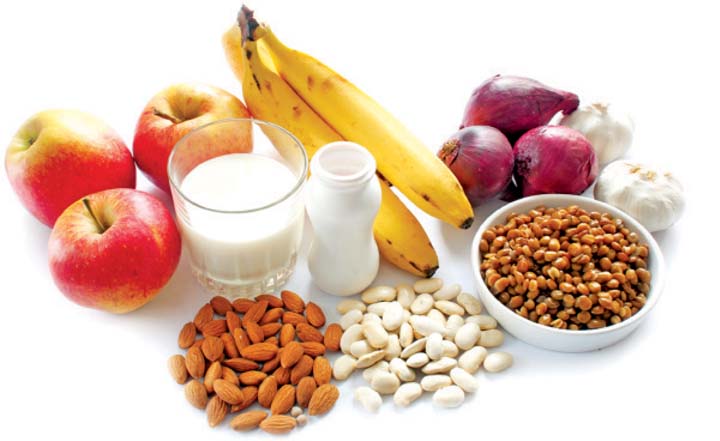
Prebiotics are non-digestible substances that are found in natural foods like onion, leeks, garlic, honey, whole grains, whole wheat foods, asparagus, artichokes, soybeans, and bananas.

Prebiotics promote the growth of “good” bacteria in the gut. Aside from promoting digestive health, prebiotics enhance calcium absorption.

On the other hand, Probiotics are “good” live bacteria found in fermented foods like yogurt, kefir, aged cheeses, probiotic drinks, sauerkraut, kimchi, tempeh, and soy beverages. Probiotics increases immunity as well as promote a healthy gut.

[email protected]/www.cheshireque.com/IG: cheshirequerdn

Eat your way out of breast cancer

Published by Manila Bulletin, October 28, 2014

Each and every woman in this planet would probably have something that they would all agree on—the fear of losing their breasts! For the past 12 years of being a dietitian consultant, I have felt the fear, anguish, and pain of women after a mastectomy which is a type of surgery to remove one or both breasts.

Breast cancer may be caused by many factors such as genetics and lifestyle. However, researches show that diet plays a very important role in preventing it. Being overweight, obese and high intake of fat can increase the risk of having this dreaded disease.

Here are some tips on how to improve your diet to decrease your risk of developing breast cancer. 1161

Watch the fat. All fat sources have the same amount of calories. Fat is a concentrated form of energy which when eaten in excess will definitely lead to weight gain. Fats, however, were not created equal. High intake of saturated fats found in butter, lard, fatty cuts of meats, processed meats, high fat dairy products, cream, and baked products may increase one’s risk. Consuming unsaturated fats from vegetable oils, nuts, avocado, and fatty fishes like salmon and tuna may lower risk. If saturated fat cannot be completely avoided, make sure that it is not a staple part of your diet and eat unsaturated fat sources more often.

Increase intake of vegetables and fruits. The antioxidants found in these whole foods fight free radicals which cause several types of cancers. Vitamins A, C, and E are powerful antioxidants naturally found in fruits and vegetables. If eating fruits and vegetables is a challenge outside your home, make sure you have a weekly supply of fresh produce available in your fridge and a blender to make a fresh fruit and vegetable smoothie before you leave the house or as soon as you get home. After all, where there’s a will, there’s a way.

Fill up on fiber. Fiber is abundant in whole grains, fruits, and vegetables. Consuming fiber increases satiety factor, decreases intake of fats and calories, and helps maintain a healthy weight range. Studies suggest that wheat bran fiber helps lower estrogen levels in the body. Estrogen is a hormone that increases the risk of breast cancer. To increase your fiber intake aside from just eating fruits and vegetables, replace white rice with starchy vegetables (sweet potato, potato), black, red or brown rice, whole wheat or multigrain breads and cereals.

Go easy on sugars. Although sugar is not directly linked to breast cancer, excessive intake of simple sugars found in candies, chocolate products, baked products, and sugary beverages lead to being overweight and obesity which are both strongly related to breast cancer. Read nutrition labels and list of ingredients. Simple sugars come in different names: glucose, fructose, high fructose, corn syrup, and dextrose.

Increase calcium intake. Recent studies among women have shown that increased calcium intake from dairy products lowers the risk of breast cancer. Milk, cheese, yogurt, frozen yogurt, low fat ice cream, probiotic drinks, and kefir are rich sources of calcium. Choose dairy products that are low fat, reduced fat or non fat. If you are lactose intolerant, lactose free milk or calcium fortified almond milk, soy milk, or rice milk are readily available in leading grocery stores.

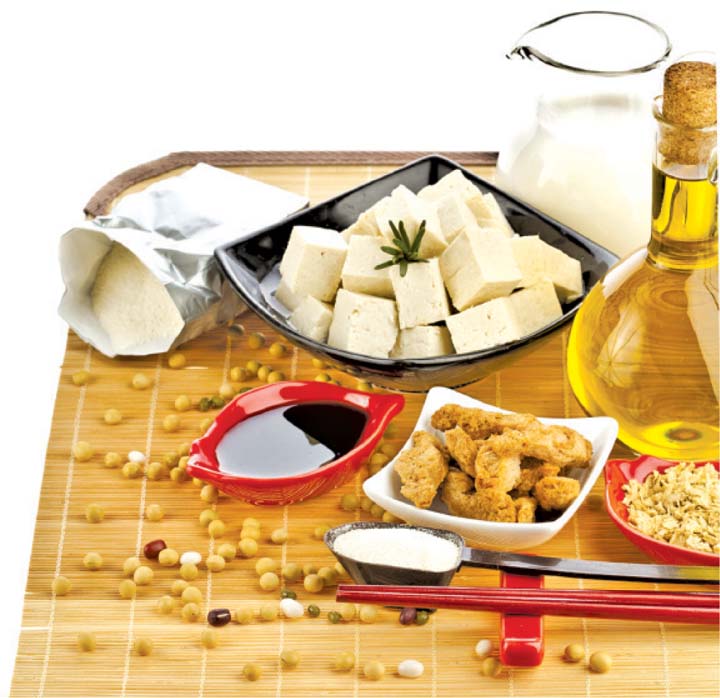
Choose soy. Soy contains phyto-estrogens called isoflavones. These are plant chemicals that decrease the risk of breast cancer by reducing the effects of human estrogen in the body. Recent studies among Japanese women who regularly consumed soy and soy products have resulted in lower incidence of breast cancer. However, caution should be taken against isoflavone supplements. Consult your physician before taking any form of supplement.

[email protected]/www.cheshireque.com/IG:cheshirequerdn/; Twitter:CheshireQue

Kidney alert

Published by Manila Bulletin, September 30, 2014

Our kidneys work as the body’s filtration system. It regulates fluid balance and filters the blood. But did you know that the kidneys also play a great role in producing Vitamin D for bone health, the hormone renin for regulating blood pressure, erythropoietin hormone for red blood cell production, regulating sodium and potassium electrolytes for heart health, and keeping the balance between acidity and alkalinity in the body?

When I started my practice as a dietitian consultant 12 years ago, my very first patient was a woman who suffered from End Stage Kidney Disease. I still remember the devastating words she said to me: “I don’t want to see you and my doctor again. I’d rather die than have a transplant and go on a very strict renal diet.” End Stage Kidney Disease may seem like the end of the world but there are ways to prevent it.

2103

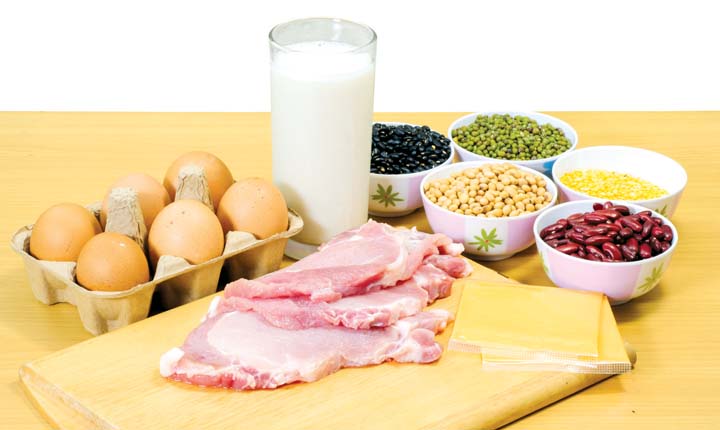
Eat adequate protein food sources like lean meat, fish, poultry, egg, dairy products, and legumes. Protein primarily helps build and repair body cells however, when we eat protein excessively, our kidneys will get damaged. Be wary of fad diets that promote intake of high protein and low carbohydrates. You’re bound to end up with malfunctioning kidneys in no time.

Control your blood pressure by reducing sodium intake which is abundant in salt and processed foods. Canned foods, frozen foods, chips and the like usually have high sodium content. Read the nutrition label and choose the ones with less sodium. While eating, avoid adding more table salt and condiments like soy sauce, fish sauce or patis, and bagoong. Use herbs and spices and minimal salt to add flavor while cooking.

Control your blood sugar level especially when you are diagnosed with diabetes, pre-diabetes, insulin resistance, or metabolic syndrome. Nephropathy or kidney disease is a complication that could arise from uncontrolled blood sugar level. It is important to consume complex carbohydrates like whole grains, starchy vegetables, fruits, and vegetables to get the benefits of fiber while providing glucose or sugar for energy.

Drink water regularly throughout the day most especially when exercising and during hot weather conditions. Inadequate fluid intake can cause kidney stone formation and urinary tract infection. There is no such thing as “over drinking” of water for healthy individuals but people with kidney diseases may be prescribed fluid restriction by their physician.

Eat non-fat or low fat dairy products like milk, yogurt, and cheese to get enough calcium. Do not take calcium supplements without your doctor or dietitian’s proper assessment and advice. Unlike calcium from natural food sources, calcium supplements taken in excess could lead to kidney stone formation.

Do not take pain relievers without doctor’s advice. Use of pain medications should be done only when needed and as directed.

Avoid alcohol consumption if possible or limit intake to two servings for males and one serving for females. One serving of alcoholic beverage is equivalent to one glass of wine (5oz.) or one can/bottle of beer (12 oz.)

[email protected]/www.cheshireque.com/IG:cheshirequerdn/Twitter:CheshireQue