Archives 2014

Prevent holiday heart attack

5 easy steps to remember for a happy, healthy holiday

Manila Bulletin published December 16, 2014

We have seen an increase in the incidence of heart attacks occurring during this time of the year. Unfortunately it peaks around Christmas and the New Year’s when everyone is enjoying the festivities over rich, sumptuous, and delicious dishes.

And what do these yummy, fatty foods have in common? You got it—cholesterol!

There are two types of cholesterol—HDL (good) and LDL (bad). The good one has more proteins attached to it and helps carry cholesterol to the liver where it is broken down and removed. On the other hand, bad cholesterol can clog arteries and block blood flow while increasing risk for heart diseases.eat1

A heart attack happens when blood flow is impeded causing the heart muscle to get damaged or worst, die. Blockage of the arteries where the blood flows is caused by the buildup of cholesterol. This condition is known as atherosclerosis.

Here are some tips on how to prevent the holiday heart attack.

Practice portion control. Now is not the time to go on a strict diet. Depriving oneself is a sure way to ruin the holiday season. However, it is also important not to indulge on too much food. As the saying goes, too much of anything is not good. Eat slowly and chew your food well. Take small bites while engaging in table conversations. Drink water while eating. If you have to, taste small portions of foods prepared with fat and sugar occasionally. Don’t devour a plateful of high fat, high sugar, and high caloric foods in every meal.

Easy on the fat. Watch out for foods that contain saturated fats and cholesterol like thick sauces, gravies, dressings, processed foods, casseroles, baked goodies, desserts, egg yolks, and our noche buena staples hamon, lechon, and leche flan. Have small portions of these and balance intake with high fiber foods like vegetables, fruits, and whole grains as well as foods that contain omega 3 like fatty fishes (tuna, salmon) and walnuts.

Limit salt intake. Sodium in salt affects the blood pressure. Hypertension is a risk factor for heart attack. Since dishes are usually seasoned with salt and other herbs and spices while cooking, there is no need to add more table salt and condiments that contain sodium such as soy sauce, fish sauce (patis), bagoong, and the like while eating. Consume potassium-rich foods like bananas and sayote.

Keep track of your sugar level. Diabetes is also a risk factor for heart attack. It is important to monitor the blood glucose level if you are diabetic. Avoid sweetened beverages. Eat well-balanced meals with lots of fiber and observe proper meal timing every four to six hours to have a consistent and normal supply of glucose in the body. Drastic changes in blood sugar level (highs and lows) may cause serious medical conditions.

Do not overdo exercise to compensate for guilt feelings after overeating. Be physically active without exhausting your heart to increase your metabolism. This will surely help control your weight and keep cholesterol and blood sugar levels down. Incorporate at least 30 minutes of exercise a day. Gradually increase the duration, frequency, and intensity of your exercise as you build strength and stamina. If you have been sedentary for a long time, don’t lift heavy weights or hop on the treadmill for 60 minutes the first time you decided to be physically active. You might just pass out and do more harm to your heart. Start with light activities on short duration only. For example, 10 minutes of walking three times a day on most days of the week.

[email protected]/www.cheshireque.com/IG:cheshirequerdn

Skip the santa belly

Manila Bulletin published December 9, 2014

2SantaChristmas is the season to be merry but how can one be truly merry after all the festivities when one’s belly is trying to mimic that of Santa’s?

It could get frustrating when you can no longer fit into your tight jeans or feel heavy and sluggish during the holidays right?

Wish you didn’t indulge yourself with those calorie-laden foods that are so irresistible? Too much sugar, fat, and excess calories from the food we eat coupled with physical inactivity will definitely make us gain weight in no time. As the saying goes, a moment on the lips, forever on the hips!

However, it’s not just about what and how much food you eat. There are other factors that could make you gain weight over the holidays.

2physical-activity

• The number one culprit is being sedentary.

“Hey! This is the only chance I get to rest and do nothing but sleep and eat all day”, you say. Yeah, I feel you and believe me I want to do that, too. However, being on vacation is no reason for us not to move around and burn some calories. In fact, this is the best time to include at least 30 minutes of exercise on most days of the week since you have a lot of time on your hands when you’re not out partying or entertaining guests at home. Be conscious about your physical activity by choosing a type of exercise that you enjoy doing, set a schedule and stick to it.

2Driking

• The second santa belly buster secret is to keep yourself well hydrated.

Inadequate water intake will wreak havoc with your body’s metabolism therefore making you inefficient in burning calories. Drink one to two glasses of water upon waking up and before going to bed. Drink one glass of water or clear soup before every meal. Drink water all throughout the day. Do not wait until you get thirsty because that is a signal that your body is already dehydrated.

2sleeping


• More Zzzzz.

Quality sleep is often neglected during the holidays. When that happens, the balance between hormones that control our appetites and cravings go berserk. We tend to eat more to keep us awake which leads to excessive caloric intake and weight gain. Aim for at least seven hours of sleep. You can also take 15 to 30-minute power naps during the day. Keep this in mind: When one is asleep, one cannot eat. However, for some, oversleeping is the problem. It can make you feel more exhausted and sluggish. When that happens, you don’t have enough energy to exercise and may tend to eat more to try to get energy. Lack of sleep or too much of it can affect your eating pattern and weight.

Have a happy healthy holiday season!

Have yourself a BEERy merry Christmas

Published by Manila Bulletin, November 25, 2014

Christmas is in the air and for us Filipinos it may be the most celebrated holiday of the year. The festivities are not just about eating. For some, it’s all about drinking too!

Although this article is not meant to encourage non-alcoholic drinkers to start drinking solely for health benefits, people who enjoy drinking need not say good bye to alcohol either.

464Red wine has long enjoyed the limelight of being the No. 1 alcoholic beverage that has astounding health benefits due to it’s resveratrol content. Resveratrol is an antioxidant derived from grapes that promotes heart health by preventing platelet aggregation which causes atherosclerosis or coronary heart disease. These could lead to a fatal condition known as stroke.

While red wine is basking in its popularity around the world, let’s move closer to home where beer is the most consumed alcoholic beverage.

Surprisingly, beer has a number of health benefits tantamount to that of red wine. It is primarily the ethanol in beer, wine, and other alcoholic beverages that increases good cholesterol (HDL), lowers bad cholesterol (LDL), and reduces the risk of blood clotting.

Moderate beer consumption decreases the risk of developing kidney stones in men compared to other alcoholic beverages. This may be due to its high water content, diuretic effect, and compounds that slow the release of calcium from bones which is linked to kidney stone formation.

Beer also contains soluble fiber like the type found in oatmeal which can help lower cholesterol levels. The darker the beer color gets, the higher the fiber content.

Vitamin B12 and other B-Vitamins are also found in beer. Vitamin B12 is essential for red blood cell production, nervous system and brain health. However, alcohol can actually block the effectiveness of these vitamins.

Beer can also greatly impact bone health due to its silicon content. This element can help strengthen your skeletal system by increasing bone density. But take it easy and don’t replace your dairy products with beer because too much intake can actually weaken your bones.

How much alcohol consumption is beneficial and how much is detrimental to our health?

According to an article by James H. O’Keefe, M.D. et al which was published in the Mayo Clinic Proceedings on Feb. 26: “Habitual light to moderate alcohol intake (up to one drink per day for women and one or two drinks per day for men) is associated with decreased risks for total mortality, coronary artery disease, diabetes mellitus, congestive heart failure, and stroke. However, higher levels of alcohol consumption are associated with increased cardiovascular risk.”

645ONE DRINK IS EQUAL TO ANY OF THE FOLLOWING:

Beer – 12 ounces or 360ml

Wine – 5 ounces or 150 ml

Distilled spirits (80 proof) -1.5 ounces or 45 ml

Although beer has its health benefits, it should be consumed in moderation. After all, too much will not only damage your heart, kidneys, liver, and other organs but also cause you to gain weight. A 12-ounce bottle or a can of beer contains approximately 150 kcal. That is equivalent to eating 3/4 cup of rice.

People with medical conditions should avoid alcohol consumption and seek medical advice.

As we toast to good health this holiday season, remember to drink moderately and responsibly.

What does your gut tell you?

Published by Manila Bulletin, November 18, 2014

You’re all excited and nervous just before a big event, say a business presentation, your own wedding, a major exam or simply asking someone on a date when you suddenly feel the urge to go to the loo and do number two! Cramping, bloating, discomfort, pain, profuse sweating, goosebumps, and that cold clammy feeling. If only you could excuse yourself from wherever you are before you pass out if you don’t instantly let it all out!

Sounds familiar? Have you ever wondered why in the most inopportune moments, you get the urge to move your bowels when you’re nervous or in a stressful situation? That is because nerves from your colon have a direct connection to your brain. Stress therefore triggers colon activity, which causes spasms, contrary to what we mostly believe in, that diarrhea or loose bowel movement is merely caused by food intake or food poisoning.

2019Irritable bowel syndrome (IBS) is a condition that affects the large intestine. Although not considered a disease, this condition has many symptoms such as diarrhea, constipation, bloating, cramping, discomfort, abdominal pain, and gassiness (flatulence). This condition may be triggered or caused by genetic predisposition, allergies, infection, lifestyle including diet and exercise, stress, and excessive amount of bacteria growing in the intestine.

Here is a guideline on how you can manage IBS.

• Avoid large meals. Eat small frequent meals to reduce the amount of food moving through your digestive system.

• Avoid fatty foods.

• Observe proper meal timing. Eating every four to six hours is ideal to regulate your bowel movement.

• Learn to manage stress. Totally avoiding stress is impossible but one has to consciously apply strategies that can help cope with it. Take time to rest for a few minutes several times a day, do breathing exercises, pray, listen to music, take short naps, or read a few pages of a book.

• Be physically active to help with bowel movement.

• Avoid alcoholic and caffeinated beverages that act as stimulants and may cause diarrhea

• Avoid artificial sweeteners. Sensitivity to sugar alcohols may cause diarrhea.

• Consume fiber-rich foods to help form stools and aid bowel movement. Gradual increase in the amount of fiber intake should be done to prevent bloating, cramping, and gas formation.

• Drink adequate water to help expand fiber in the gut. Consuming fiber and not drinking enough water will cause constipation.

• Know your body. Observe foods and factors that trigger IBS symptoms.

Furthermore, to promote digestive health, incorporate these functional foods into your diet: Prebiotics and Probiotics.

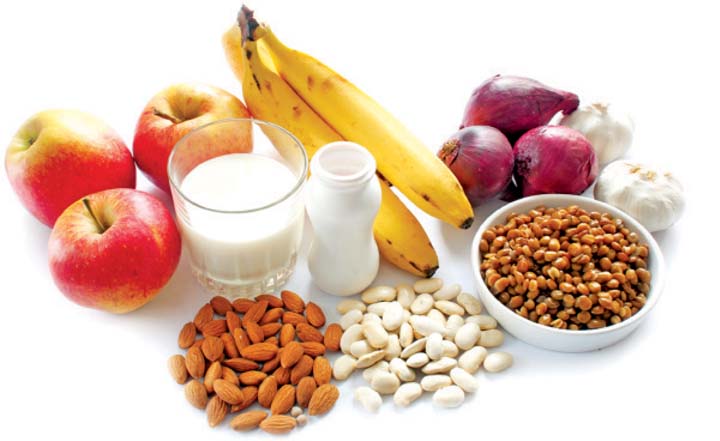
Prebiotics are non-digestible substances that are found in natural foods like onion, leeks, garlic, honey, whole grains, whole wheat foods, asparagus, artichokes, soybeans, and bananas.

Prebiotics promote the growth of “good” bacteria in the gut. Aside from promoting digestive health, prebiotics enhance calcium absorption.

On the other hand, Probiotics are “good” live bacteria found in fermented foods like yogurt, kefir, aged cheeses, probiotic drinks, sauerkraut, kimchi, tempeh, and soy beverages. Probiotics increases immunity as well as promote a healthy gut.

[email protected]/www.cheshireque.com/IG: cheshirequerdn

Eat your way out of breast cancer

Published by Manila Bulletin, October 28, 2014

Each and every woman in this planet would probably have something that they would all agree on—the fear of losing their breasts! For the past 12 years of being a dietitian consultant, I have felt the fear, anguish, and pain of women after a mastectomy which is a type of surgery to remove one or both breasts.

Breast cancer may be caused by many factors such as genetics and lifestyle. However, researches show that diet plays a very important role in preventing it. Being overweight, obese and high intake of fat can increase the risk of having this dreaded disease.

Here are some tips on how to improve your diet to decrease your risk of developing breast cancer. 1161

Watch the fat. All fat sources have the same amount of calories. Fat is a concentrated form of energy which when eaten in excess will definitely lead to weight gain. Fats, however, were not created equal. High intake of saturated fats found in butter, lard, fatty cuts of meats, processed meats, high fat dairy products, cream, and baked products may increase one’s risk. Consuming unsaturated fats from vegetable oils, nuts, avocado, and fatty fishes like salmon and tuna may lower risk. If saturated fat cannot be completely avoided, make sure that it is not a staple part of your diet and eat unsaturated fat sources more often.

Increase intake of vegetables and fruits. The antioxidants found in these whole foods fight free radicals which cause several types of cancers. Vitamins A, C, and E are powerful antioxidants naturally found in fruits and vegetables. If eating fruits and vegetables is a challenge outside your home, make sure you have a weekly supply of fresh produce available in your fridge and a blender to make a fresh fruit and vegetable smoothie before you leave the house or as soon as you get home. After all, where there’s a will, there’s a way.

Fill up on fiber. Fiber is abundant in whole grains, fruits, and vegetables. Consuming fiber increases satiety factor, decreases intake of fats and calories, and helps maintain a healthy weight range. Studies suggest that wheat bran fiber helps lower estrogen levels in the body. Estrogen is a hormone that increases the risk of breast cancer. To increase your fiber intake aside from just eating fruits and vegetables, replace white rice with starchy vegetables (sweet potato, potato), black, red or brown rice, whole wheat or multigrain breads and cereals.

Go easy on sugars. Although sugar is not directly linked to breast cancer, excessive intake of simple sugars found in candies, chocolate products, baked products, and sugary beverages lead to being overweight and obesity which are both strongly related to breast cancer. Read nutrition labels and list of ingredients. Simple sugars come in different names: glucose, fructose, high fructose, corn syrup, and dextrose.

Increase calcium intake. Recent studies among women have shown that increased calcium intake from dairy products lowers the risk of breast cancer. Milk, cheese, yogurt, frozen yogurt, low fat ice cream, probiotic drinks, and kefir are rich sources of calcium. Choose dairy products that are low fat, reduced fat or non fat. If you are lactose intolerant, lactose free milk or calcium fortified almond milk, soy milk, or rice milk are readily available in leading grocery stores.

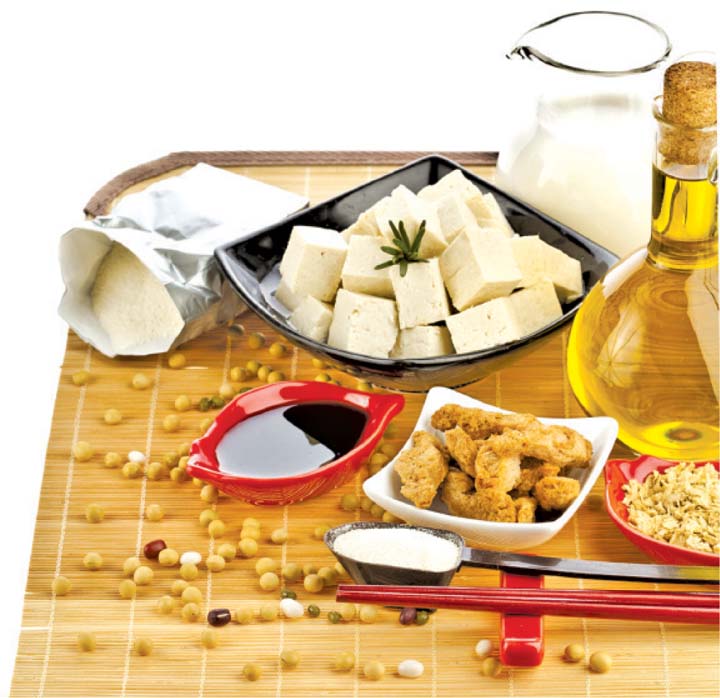
Choose soy. Soy contains phyto-estrogens called isoflavones. These are plant chemicals that decrease the risk of breast cancer by reducing the effects of human estrogen in the body. Recent studies among Japanese women who regularly consumed soy and soy products have resulted in lower incidence of breast cancer. However, caution should be taken against isoflavone supplements. Consult your physician before taking any form of supplement.

[email protected]/www.cheshireque.com/IG:cheshirequerdn/; Twitter:CheshireQue

Kidney alert

Published by Manila Bulletin, September 30, 2014

Our kidneys work as the body’s filtration system. It regulates fluid balance and filters the blood. But did you know that the kidneys also play a great role in producing Vitamin D for bone health, the hormone renin for regulating blood pressure, erythropoietin hormone for red blood cell production, regulating sodium and potassium electrolytes for heart health, and keeping the balance between acidity and alkalinity in the body?

When I started my practice as a dietitian consultant 12 years ago, my very first patient was a woman who suffered from End Stage Kidney Disease. I still remember the devastating words she said to me: “I don’t want to see you and my doctor again. I’d rather die than have a transplant and go on a very strict renal diet.” End Stage Kidney Disease may seem like the end of the world but there are ways to prevent it.

2103

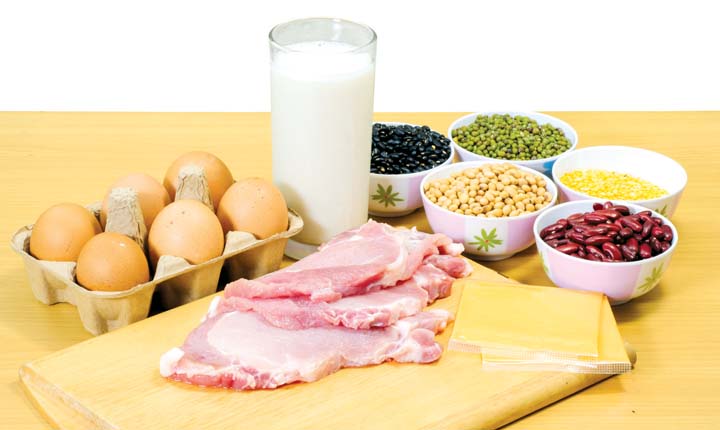
Eat adequate protein food sources like lean meat, fish, poultry, egg, dairy products, and legumes. Protein primarily helps build and repair body cells however, when we eat protein excessively, our kidneys will get damaged. Be wary of fad diets that promote intake of high protein and low carbohydrates. You’re bound to end up with malfunctioning kidneys in no time.

Control your blood pressure by reducing sodium intake which is abundant in salt and processed foods. Canned foods, frozen foods, chips and the like usually have high sodium content. Read the nutrition label and choose the ones with less sodium. While eating, avoid adding more table salt and condiments like soy sauce, fish sauce or patis, and bagoong. Use herbs and spices and minimal salt to add flavor while cooking.

Control your blood sugar level especially when you are diagnosed with diabetes, pre-diabetes, insulin resistance, or metabolic syndrome. Nephropathy or kidney disease is a complication that could arise from uncontrolled blood sugar level. It is important to consume complex carbohydrates like whole grains, starchy vegetables, fruits, and vegetables to get the benefits of fiber while providing glucose or sugar for energy.

Drink water regularly throughout the day most especially when exercising and during hot weather conditions. Inadequate fluid intake can cause kidney stone formation and urinary tract infection. There is no such thing as “over drinking” of water for healthy individuals but people with kidney diseases may be prescribed fluid restriction by their physician.

Eat non-fat or low fat dairy products like milk, yogurt, and cheese to get enough calcium. Do not take calcium supplements without your doctor or dietitian’s proper assessment and advice. Unlike calcium from natural food sources, calcium supplements taken in excess could lead to kidney stone formation.

Do not take pain relievers without doctor’s advice. Use of pain medications should be done only when needed and as directed.

Avoid alcohol consumption if possible or limit intake to two servings for males and one serving for females. One serving of alcoholic beverage is equivalent to one glass of wine (5oz.) or one can/bottle of beer (12 oz.)

[email protected]/www.cheshireque.com/IG:cheshirequerdn/Twitter:CheshireQue

Feed your skin

Published by Manila Bulletin, September 23, 2014

Have you ever wondered why you still get acne in your 30s, 40s, even 50s? Contrary to what we believed in, acne breakouts don’t only happen during puberty. Adult men and women may suffer from this horrible skin problem too.

Many factors cause acne: sleep deprivation, hygiene, oily skin, and reaction to some cosmetics. What about food, you ask? What specific foods cause acne?

23Feed-Your-SkinPerhaps you are one of those who kept blaming chocolates and peanuts for your zits. These foods have long been falsely accused if I may say so. There is no scientific evidence that shows a particular food is related to the development of acne. Therefore, let us not single out chocolates or peanuts for that matter. Instead, let us look at the role of diet in general in relation to the development of acne.

The skin has sebaceous glands that produce oil or sebum to lubricate the skin. When there is an excess in the production of sebum, the sebaceous gland ducts get blocked which may cause bacteria to proliferate and cause acne. Studies have shown that sebum production is influenced by a hormone called Insulin-like growth factor 1(IGF-1) which is very important for growth and tissue build up in the body.

A diet high in simple sugars (high glycemic index carbohydrates) causes an elevation of the blood sugar level. This in turn increases the body’s production of the Insulin-like growth factor 1 (IGF-1).

Carbohydrates like rice, bread, fruits, and vegetables are converted into glucose or sugar in the body. Glucose is very important because it is the primary source of energy for the brain and body. However, excessive consumption of carbohydrates especially from simple sugars like sugary beverages, candies, and processed foods that contain high fructose corn syrup like cookies and baked products increases IGF-1 which can greatly influence the development of acne. It is important to practice portion control and to choose carbohydrates sources like whole grains, breads made from whole wheat and whole grains, fruits and vegetables.

Recent studies have also linked the consumption of cow’s milk to the increase in production of IGF-1. This could be due to the IGF-1 hormones present in cow’s milk. However, as a dietitian consultant, I do not recommend anyone to stop drinking milk for this reason alone. Milk is a rich source of calcium and vitamin D, which promotes bone health. A cup or two of milk per day is beneficial. Incorporating adequate amount of milk to a well-balanced diet will definitely not cause acne or aggravate acne breakout.

It is important to nourish the skin from within not only to prevent acne but to have good skin integrity, prevent cuts and infection as well as delay aging. Consume more foods that are rich in antioxidants, vitamins A, C, E, and omega 3. Below is a list of skin-friendly foods that will keep your skin healthy.

• Yellow and orange colored fruits and vegetables like sweet potato, carrots, squash, banana, citrus fruits, papaya.

• Green leafy vegetables like malunggay, spinach, pechay

• Tomatoes and tomato products

• Blueberries and other berries, grapes

• Tuna, salmon, sardines, and other fatty fishes

• Walnuts and other nuts

• Legumes like beans, peas, lentils, soybeans

• Soy milk

[email protected]/www.cheshireque.com/IG:cheshirequerdn/Twitter:CheshireQue

Love chocolate

Published by Manila Bulletin, September 16, 2014

I grew up associating chocolate with the expression of love. Blame it on the chocolates selling like hotcakes during Valentine’s day. A book suggested that this connection started with Emperor Montezuma who drank 50 golden cups of chocolate every day as an aphrodisiac before going to his wives. Could there be a scientific explanation for this?

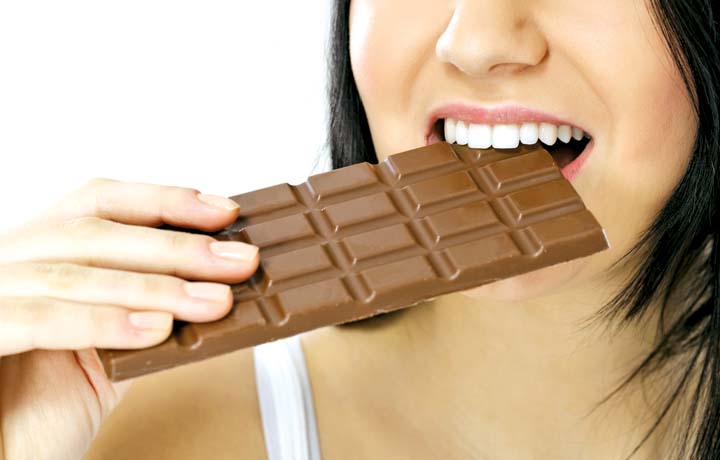
16ChocolateResearch studies have shown that chocolate goes beyond matters of the heart to health. It contains flavanols which are phytonutrients derived from plants. You see, chocolates are plant-based and can be eaten by vegans or vegetarians. The flavanols act as antioxidants that fight off free radicals. Think of free radicals as highly charged molecules that damage cells in the body. The flavanols block the damaging effects of free radicals by neutralizing them. Put more simply, free radicals are like terrorists in our body and the flavanols are the soldiers that protect our body cells from the terrorist attacks. Free radicals have been linked to cancer and other diseases.

Flavanols improve blood pressure and enhances blood circulation by preventing platelets (blood cells) from clumping together and becoming sticky which could block the flow of blood, oxygen, and nutrients in the body. This blood flow enhancing effect may have been the basis for Emperor Montezuma’s ritual of drinking rich chocolate before lovemaking after all.

By promoting blood flow, flavanols also enhance brain function. In 2006, Harvard University did a study among elderly subjects on the effect of daily consumption of 900 mg of flavanols for one week. Results showed an increase in blood flow to the brain. Patients with dementia have decreased brain blood flow therefore flavonols may be potentially beneficial in reducing the risk of dementia.

Flavanols also play a great role in keeping the immune system healthy by suppressing compounds that causes inflammation. An inflammation causes an immune response and too much of which are responsible for arthritis, heart diseases and autoimmune diseases like Type I Diabetes Mellitus. Instead of protecting the body, the immune system attacks the healthy cells.

Despite the many health benefits of chocolates, be mindful of the amount that you eat. After all, chocolates contain calories, sugar and fat. Portion control is key!

If you want to know more about the benefits of chocolates and how to make them, fulfill your chocolate dreams at The Chocolatier hands on workshop by A-List Professional Health Consulting Co which will be held on September 28, 1:30 p.m. to 5:30 p.m. at The Den, Marriott Manila. Call 586 3194 or email [email protected] for inquiries and reservations. Limited slots available.

Aging with taste

When my maternal grandmother was still living, I used to visit her whenever I can. We would eat lunch or dinner together. However, as she got older, I found her taste preference quite “revolting.” She sprinkled large amounts of sugar on her rice! She also ate mango with rice! I asked her several times why she ate that way and each time she would just answer: “My food tastes bland.” I didn’t understand what she was going through until I got into college and studied nutrition and dietetics for mature or older adults.

According to Paul Y. Takahasi, M.D. of Mayo Clinic, “Some loss of taste and smell is natural with aging, especially after age 60.” Poor nutrition, deficiencies in Vitamin A, zinc, folate and Vitamin B12, medications, chronic illnesses, and diminished sense of smell greatly affect taste acuity. Decline in taste and smell sensitivity may lead to decreased appetite, decreased food intake, and eventually, malnutrition and weight loss. Although, food intake may also be affected by factors other than just taste sensitivity according to a study on Taste Acuity and Aging conducted by Savitri K. Kamath, PhD, RD published in The American Journal of Clinical Nutrition. We have about 2,000 to 9,000 taste buds on our tongue but at the age of 70, studies suggest a 70 percent decrease.

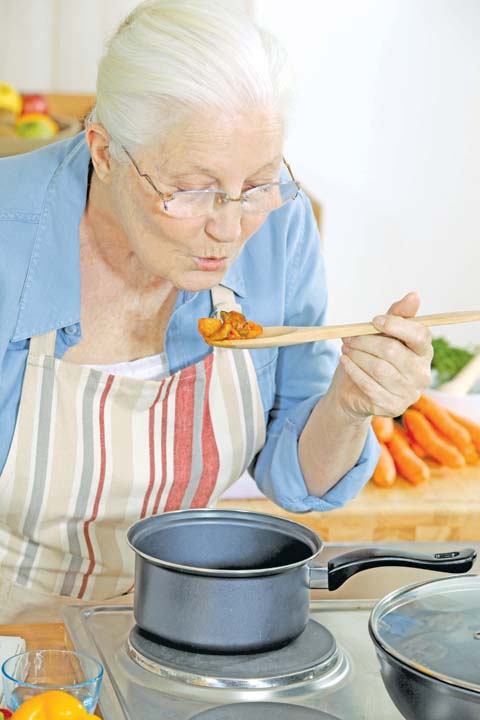
Eating at any age should be both nutritious and pleasurable. But how can we meet both requirements among the elderly? If you belong to this age group or if you are taking care of a mature adult, take charge of your meals and say no to bland and unpalatable dishes by applying these simple tips:

9grandmotherFLAVOR AND AROMA

It is common to just add more sugar and salt to enhance the flavor of food. However, this practice may wreak havoc with one’s blood sugar level and blood pressure.

Intensify flavor and aroma by using herbs, spices, lemon or lime, flavor extracts, strong flavored ingredients like onion, garlic, ginger, chili, pepper, sharp and flavored low fat cheeses, flavored vinegar, and oils. While oils like olive oil, sesame oil and nut butters add flavor, remember to use sparingly because these are after all, fats. Use two to three times the amount of herbs and spices. These do not contain calories, sodium and sugar so they are safe to add to dishes.

Condiments like soy sauce, fish sauce, bagoong (shrimp paste), monosodium glutamate (vetsin), ketchup, and powdered mixes contain sodium. Too much sodium intake could affect blood pressure.

Avoid the strong bitter taste of caffeinated beverages like coffee which could temporarily diminish taste sensitivity.

TEXTURE

The texture of food adds to the mouthfeel and overall eating experience which makes up for the loss of taste or smell.

Mature adults can have a variety of texture on their food—soft, smooth, chunky, chewy, crunchy, or a combination of all these. For example, crushed crackers can be added on smooth soups. Top salads, oatmeal, yogurt, low fat ice cream, and pudding with chopped nuts and sliced fruits. Add crunchy vegetables to rice. The trick is to combine and make sure that ingredients can be easily chewed, swallowed and not cause choking.

If chewing or tooth loss is a problem, visit a dentist be given proper dental care.

TEMPERATURE

Serve hot food to enhance flavor followed by something cold to refresh the taste buds. Be cautious about serving food with extreme temperatures because it will decrease the flavor or worse cause burning sensation and damage to the lining of the mouth and tongue. Extremely cold foods can also cause numbness or painful sensations in the mouth.

COLOR

Serve colorful meals by adding garnishes, fruits, and vegetables. Variety is the key! A simple yet attractive plating would make meals more appealing. Add fresh tomatoes, parsley, basil, or other fresh herbs. This will surely brighten up a boring meal.

[email protected]/www.cheshireque.com/IG:cheshirequerdn/Twitter:CheshireQue

Food and Mood

Over a decade ago, I went through a debilitating condition that resulted from a bad breakup, a business failure, betrayal of friends which led to court cases, and a diagnosis of anemia with unknown origin. I was 22, broken and severely depressed. I was put on medication which was eventually tapered down and discontinued. I thank God for healing me after six months. However, there are countless people silently suffering from this condition for far too long—slowly dying from the inside out.

Depression is a mood disorder that is caused by many factors such as imbalance in brain chemicals, hormonal imbalance, nutritional deficiencies, genetics, and traumatic life events. Symptoms include changes in sleep patterns, guilt/hopelessness, lack of energy, loss of interest, changes in concentration, appetite changes, psychomotor changes, anxiety, and sometimes, suicidal thoughts and attempts. Treatment includes medications, psychotherapy or counseling, and monitoring physical health which includes nutrition therapy.

Serotonin controls mood, sleep and appetite

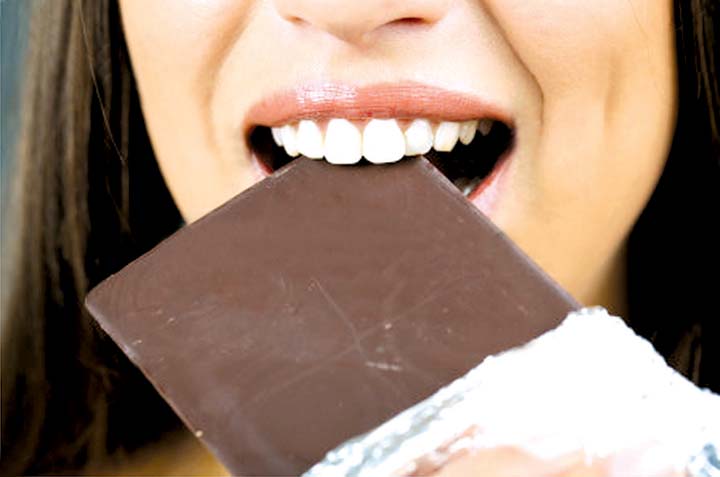
chocolateIn cases of depression, it is important to take note that serotonin, melatonin, norepinephrine, epinephrine, and dopamine are neurotransmitters or brain chemicals that act as “telecommunications network” inside the body. They facilitate communication from the “cell site” which is the brain, to all the body parts. In many depressed individuals, the neurotransmitter serotonin which also regulates mood, sleep, and appetite may be deficient.

Serotonin is derived from an amino acid called tryptophan. Tryptophan is abundant in protein rich food like milk, dairy products, egg whites, chocolates, soybeans, salmon, sunflower seeds, poultry, pork, beef, lamb, rice, quinoa, and bananas. Eating carbohydrate food also increases the availability of tryptophan for the formation of serotonin.

More carbs and sugar, less irritability

It is important to eat carbohydrates from whole grains, vegetables, fruits, and milk in adequate amounts throughout the day to keep the blood sugar level consistent and normal. People who have lower blood glucose levels tend to be more irritable and experience poor moods.

In case you are wondering how chocolates, ice cream, sweets, or a plateful of rice can elevate your mood when you feel emotionally low, here is the reason behind it. Consumption of carbohydrates or anything that has sugar stimulates the release of the body’s natural pain killer called endorphins. Endorphins increase the sense of well-being. Cayenne pepper, strawberries, grapes oranges, and other Vitamin C-rich citrus fruits also stimulate the release of endorphins as well as exercise.

Calcium combats emotional stress

Emotional stress, on the other hand, decreases the nitrogen and calcium levels in the body. Therefore, high biologic value protein from animal sources are needed in the diet. This includes egg, meat, fish, seafood, poultry, milk, cheese, and yogurt. To increase calcium stores, consume dairy products, calcium-fortified products, and dark green leafy vegetables.

Although low levels of omega-3 fatty acids do not cause depression, individuals suffering from major depression have significantly low levels. Rich sources of omega 3 are tuna, sardines, salmon and other fatty fishes, soybeans, tofu, walnuts, and flax seeds.

Depression is a silent killer. It is a serious medical condition that have led many people to take their own lives. It is not something you could just snap out of without the help of God, family, friends, and medical professionals.

If you have symptoms of depression, talk to someone you trust or a spiritual leader. If you are close to someone manifesting signs of depression, don’t be indifferent rather engage that person and encourage communication. Be empathic by sincerely listening and not be judgmental.

[email protected]/www.cheshireque.com/IG:cheshirequerdn/Twitter:CheshireQue