Archives July 2014

Fast Fat Facts

Our forebears used to have a very healthy diet derived from organically grown fresh produce and free range livestock. In those days words like cholesterol was uncommon. Then the Filipino diet was influenced by many cultures: Chinese, Spanish, Malay, and American.

Fast food restaurants and convenient stores are everywhere. Almost every household has canned and processed foods in the pantry and refrigerator. More Filipinos are developing heart diseases, diabetes, cancers, and other lifestyle related illnesses.
15Fast-Fat-Facts
Nowadays, it is no longer unusual for people to talk about how high their cholesterol or blood pressures are. Eighty percent of my patients have at least one condition that increases their risk of developing heart diseases. And just like a death sentence, being told to avoid fatty foods is enough to make someone feel depressed.

Aside from enhancing food flavors and promoting satiety, fat is needed to cushion and position our vital organs, and protect bones from injury. It protects our body from strong blows and impact and acts as an insulation to keep our body warm in cold temperatures. It is needed for the absorption of fat soluble vitamins A, D, E, and K. It is a concentrated form of energy which provides nine calories per gram.

Despite the health benefits of fat, everyone should consciously limit their amount of fat consumption as well as choose the type of fat included in their diet.

Fat comes from two sources: animal and plants. Animal sources contain fat, triglycerides, and cholesterol. Triglycerides are stored fat and cholesterol is a fat-like substance that is part of cells and hormones like sex hormones. Excessive amount of fat, triglycerides, and cholesterol in the body will cause high blood pressure and heart diseases.

Fat or fatty acids were not created equal.

Monounsaturated fatty acids (MUFAs) when substituted for saturated fats in the diet can lower total cholesterol. Canola, nuts, and olive oil are high in MUFAs.

Polyunsaturated fatty acids (PUFAs) lower total cholesterol and are found in corn, safflower, soybean, sesame, sunflower oils, and seafood.

There are two essential fatty acids which cannot be produced in the body. Omega 3 which is found in fatty fish (e.g. salmon, tuna, sardines, trout), walnuts, flaxseed oil, canola oil, and soybean oil keeps the brain and nerves healthy, lowers triglycerides, and total cholesterol. Omega 6 also lowers total cholesterol. It is found in dairy foods, sunflower oil, corn oil, beef, and lamb.

Saturated fat increases total cholesterol specifically the bad cholesterol. Sources are meat, poultry, butter, whole milk, dairy products, palm oil, and coconut oil. However, coconut oil is a medium chain triglyceride which is a type of fat that is easily metabolized by the body therefore consumption in small amounts may be beneficial.

Trans fat is produced by processing fat which makes it more saturated. Trans fat increases total cholesterol. It may lower the good cholesterol thus increasing the bad cholesterol. Naturally occurring trans fat in beef, pork, lamb, butter, and milk don’t have the same effect on cholesterol levels compared to processed food and some baked goods.

It is important to combine the different types of fats in the diet and to consume them in moderation. Limit intake of high fat foods like processed meat products, deep-fried foods, fries, pizza, burgers, chips, baked products, instant, and convenient foods to less than once a week. Try foods that are prepared with less fat and flavored naturally.

This July, The Marriott Manila features authentic American cuisines that are way different from the usual high-fat fast food items we are so used to. Chef John Havens created menus that have been flavored using herbs and spices like Marriott Cafe 13 Spice rub, herbs spice, and Cajun spice and healthy unsaturated fats like rosemary oil, truffle oil, and pomace olive oil. The All-American Buffet Dinner at Marriott Cafe is available from Sundays to Thursdays.

[email protected]/www.cheshireque.com/Twitter:CheshireQue

Go Green

The Vegetarian Lifestyle

I believe that God has initially intended for men to be vegetarians. As I quote from the book of Genesis 1:29, Then God said, “I give you every seed-bearing plant on the face of the whole earth and every tree that has fruit with seed in it. They will be yours for food.” During those times, men lived up to almost a thousand years old.

8Vegetarian-Lifestyle
Then came the great flood during Noah’s time and after the flood, God had allowed men to eat meat as written in Genesis 9:3, “Everything that lives and moves about will be food for you. Just as I gave you the green plants, I now give you everything.” During that time until today, man’s lifespan has decreased probably and partly due to the excessive consumption of meat.
Being a dietitian consultant for the past 12 years, it’s not uncommon for me to have people asking if they should adapt a vegetarian lifestyle. You might be asking the same question in your minds right now, too! Well, should we all switch to vegetarianism?

People choose to become vegetarian for religious beliefs, health, philosophical, and ethical reasons. What we need to understand is this: Being a vegetarian is not all about eating vegetables only. It is a complex way of eating that has tremendous health benefits but also poses serious health risks when done the wrong way. The vegetarian way of eating helps in weight management, reduce risk of heart diseases, and lower blood pressure.

There are several types of vegetarian:

Strict vegetarian or vegan excludes all animal products such as meat, poultry, fish, eggs, milk, cheese, and other dairy products from the diet. Honey is also not included.

Lacto-vegetarian excludes meat, poultry, fish, and eggs but includes milk and dairy products in the diet.

Lacto-ovo-vegetarian excludes meat, poultry, and fish but includes eggs, milk, and dairy products.

Flexitarian is a semi-vegetarian diet with occasional consumption of meat, poultry, or fish.

A vegetarian diet is sufficient to meet nutrient requirements however when done incorrectly will lead to nutrient deficiencies of protein, iron, calcium, vitamin B12, and vitamin D.

Protein needs can be met by eating whole grains, vegetables, beans, soy products, nuts, and seeds, dairy products, and eggs.

Iron can be obtained by eating green leafy vegetables, fortified cereals, enriched bread, and whole grains, beans, eggs, and peanut butter. It is important to eat vitamin C-rich foods like citrus fruits and tomatoes to enhance the absorption of iron.

Calcium daily requirements can be met by eating broccoli, green leafy vegetables, beans, nuts, seeds, calcium fortified soy milk, rice milk, almond milk, low fat milk, yogurt, and cheese.

Vitamin B12 is abundant in meat, eggs, and dairy products that is why strict vegetarians or vegans need to put more effort in meeting their daily requirement by eating cereals, soy milk, meat analogs, and foods that have been fortified with Vitamin B12 (cobalamin).

Vitamin D deficiency is common among people who do not get sufficient daily exposure to sunlight. Vegetarians can get Vitamin D from eggs and products fortified with Vitamin D such as soy milk, dairy products, orange juice, and breakfast cereals. Exposing your hands to sunlight for 10 to 15 minutes everyday can also help.

Now then, should we all become vegetarian? Eating lean meat in moderation has health benefits as well as making eating pleasurable too. Being a flexitarian myself, I suggest that you carefully think about the reasons why you want to adapt a vegetarian lifestyle and how committed you are. Do not turn yourself into a vegetarian overnight. Gradual transition is important in order to sustain this type of eating lifestyle. Do not do it on your own. Consult a registered nutritionist-dietitian who can guide you and help you ensure that all your nutritional requirements are met.

Lastly, learn how to read nutrition labels. Just a little precaution. Not all products labeled vegan or vegetarian are healthy. Some of them may be high in sugar or fat which we all know increases caloric intake and may wreak havoc with health.

([email protected], www.cheshireque.com, Twitter:CheshireQue)

The Safe Shopper

Shop smartly by shopping safely

Smart shopping is not just about healthy food choices and getting value for money. It also includes food safety. The way we select foods based on physical qualities, the duration of travel when transporting grocery items down to proper storage matters a lot. After all, a “safe shopper” takes food safety seriously.
1Safe-shopper

Ever experienced getting an upset stomach without knowing what caused it? Being a safe shopper will help prevent foodborne illnesses. Make sure you smartly pick foods that go into your shopping cart and all the way to your kitchen.
Before shopping

• Choose a clean shopping cart. Some shoppers tend to leave litter, spilled liquids, and dirt on used carts.

• Place two baskets inside your shopping cart to serve as a container for wet/frozen/refrigerated food items and for fresh produce (fruits and vegetables).

•Make sure you have enough reusable bags for the different food items you will purchase: Fresh, frozen, refrigerated, and dry. This will prevent cross contamination of micro organisms that could make you and your family sick.

Shopping time

• Shop for non-perishable items and dry goods first. Check packaging and never buy stuff with holes, tears, cuts, open lids, or open corners. Safety seals in bottles and jars should be intact.

• Check the expiry, best before, or sell by date especially for milk and dairy products.

• Check eggs for cracks and dirt. Egg trays or cartons should feel cold to touch.

• Never buy canned foods that are dented, damaged, rusted, or swollen. They may contain bacteria that cause botulism—a food borne illness that causes paralysis and is potentially fatal.

• When buying fresh produce, it’s better to choose the fruits and vegetables yourself rather than buying packaged ones to make sure they’re at their best quality. Check for bruises, cuts, or molds. If you plan to buy fresh produce from the market, buy them in the morning to ensure freshness.

• Buy refrigerated, frozen, and deli products toward the end of your shopping.

• Select fish and seafood that are intact, shiny, and firm. The odor should smell fresh and mild not strong and fishy. They should be stored in a chiller/refrigerated case or surrounded with ice.

• Select meats and poultry that look pink and not grayish. Packaged meats and poultry should be wrapped tightly and feel cold to touch.

• Opt to have meats, poultry, fish, and seafood packed into smaller serving sizes instead of in bulk. For example: If you buy 1 kg of meat, you can have it weighed and packed into four 250g serving sizes. It will be easier to store, thaw, and cook in the future.

• Check frozen food for ice crystals which is a sign that it has thawed then refrozen and was not stored in proper cold temperature.

After shopping

• In the check-out counter, take charge of how your purchases are packed. Don’t be passive.

• Pack meats, poultry, fish, and seafood in separate reusable bags or plastic bags. Frozen foods can be wrapped in paper bags to keep the temperature cold.

• Starchy vegetables should be packed separately from leafy ones to prevent bruising and wilting.

• Perishable foods should be brought home within 30 minutes from the time you check-out. If your travel time will take longer, bring along a cooler, ice box, or thermal bag with ice or artificial ice to keep your food cold on the way home.

• Never put cold foods in the trunk if you don’t have a cooler. Put them all in the backseat of your car.

• Immediately refrigerate and store perishable items as soon as you reach home.

Keep these simple and practical tips in mind next time you go to the market, grocery or supermarket. Shopping safely is shopping smartly!

([email protected]/www.cheshireque.com)

Smart Shopping

The Psychology of Grocery Shopping

It pays to have some “nutrition sense” when grocery shopping. Why? You get value for money not only in terms of quantity but also in the quality of foods that you purchase.

Your grocery bill is so long but do you actually pay for items that will keep you well nourished and healthy? Does grocery shopping contribute to your weight issues? It’s about time you carefully examine what goes into your shopping cart.
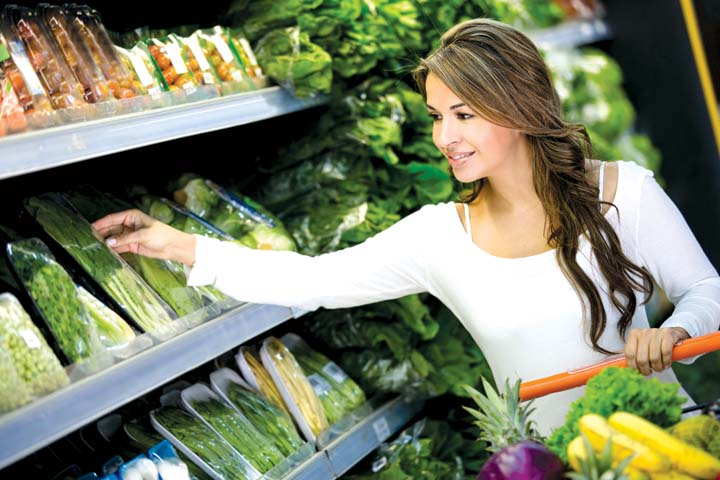
A “nutri-sensible shopper” should be well prepared before hitting the grocery or supermarket. 24Smart-Shopping

If planning menus and listing ingredients are tedious, at least take a few minutes to check the refrigerator and pantry for items that need to be restocked. Make a list of things that you need to buy. This will save you time when you do your actual shopping and will help you stick to your budget.

Never go to the grocery when you’re hungry. You will surely mindlessly grab high sugar, high fat and high caloric foods that will visually satisfy your hunger. You will end up eating these on your way home or as soon as you get home which will make you consume more calories unnecessarily. Trust me, I was guilty of this many times in the past. Shop after you’ve had a meal or a snack.

If time permits, shop during off peak hours and days. It is less stressful. Morning, late night, and weekdays are the best times. When your mind is relaxed, you are more capable of making wise decisions when choosing food items. You are likely to be more conscious about making healthier food choices.

A “nutri-sensible shopper” thinks twice before succumbing to marketing ploys that encourage one to buy more than what is needed. Consider the size of your family. If you live alone, it doesn’t make sense to buy large quantities of fresh produce that will leave you with a lot of spoilage just because it costs less per piece when bought in bulk. As for dry goods that may be on sale, check the ‘best before date,’ ‘sell by date,’ ‘best used by date,’ or ‘expiry date.’ You may purchase more if the shelf life is still within a reasonable length of time. Just remember to practice first in-first out rule at home.

Being organized is a skill that a “nutri-sensible shopper” should possess. To ensure that you get your shopping cart packed with nutrients from healthy food choices, organize your purchases into six categories:

Fresh produce includes all fruits and vegetables. Choose vegetables from the five subgroups: dark green vegetables; starchy vegetables like potatoes, corn, green banana; red and orange vegetables; beans and peas; and other vegetables like onion, mushroom, okra, and cucumber. To ensure freshness, buy fresh produce once or two times a week. Try a new variety of fruit every week. Buy ripe fruits that can be eaten within three days and buy semi-ripe fruits which will last up to a week.

Starch and grains include rice, cereals, noodles, pasta, breads, and baked products. Choose high fiber and multigrain variety. Black, red, and brown rice are good sources of dietary fiber.

Dairy includes milk, milk products, yogurt, and cheese. Choose the ones labeled non-fat or low-fat.

Protein foods include fish, seafood, egg, chicken, turkey, beef, and pork. Choose lean cuts with visible fats trimmed off. It is important to purchase a variety of meats in order to limit intake of pork and beef to no more than three times a week. Canned fish is better than canned processed meats which are high in fat and sodium.

Fats and oils include margarine, butter, mayonnaise, and cooking oils. Choose the ones that are plant-based, reduced fat, and vegetable oils to reduce saturated fat and cholesterol.

One more thing before you check out. Resist the temptation of grabbing sweets on display at the check out counter. You are just probably acting on impulse! Be nutrition sensible! Happy healthy shopping!

[email protected]/www.cheshireque.com