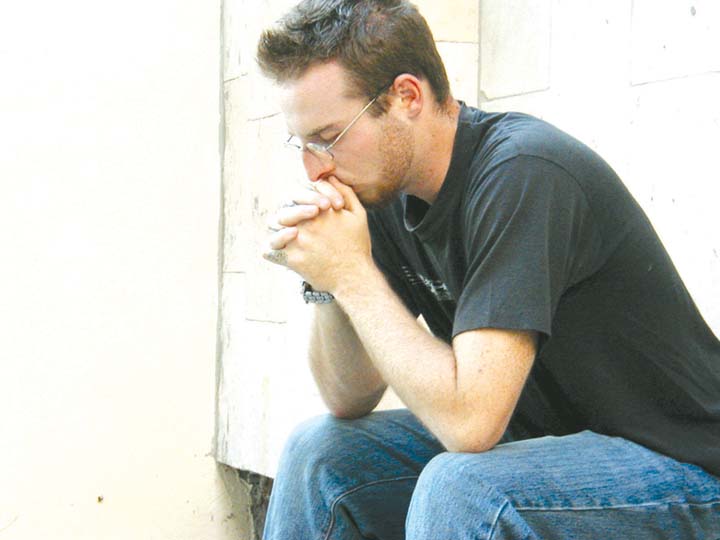
As the new year begins, the strong desire to start with a clean slate is common. We set goals on health, career, finances, relationships and spiritual life among others. Let us set aside differences in religions and focus on an ancient practice that involves food restriction and commonly observed by various religions for spiritual purposes – Fasting. It is customarily done at the start of the year, during the lenten season and ramadan (Islam).
According to Susan Gregory, author of The Daniel Fast, the definition of a biblical fast is “to restrict food for a spiritual purpose.” Therefore, fasting goes way beyond dieting. When we fast, we set aside the basic human need, food, and spend more time with God through prayer, reading the Bible, meditation and worship. Now, I don’t want to sound too preachy. This is an overview of the health benefits of fasting as well as some practical guides.
Martha Grogan, MD of Mayo Clinic said that people who routinely fast have better heart health than people who don’t because they exhibit self control which translates into better eating choices when not fasting. Regular fasting can decrease bad cholesterol and improve glucose (sugar) metabolism which reduces the risk of weigh gain, developing diabetes and heart diseases.
Types of fast
Absolute fast means no food or water intake. Some religions don’t eat or drink anything all throughout daylight and allow food only after sundown and dawn. Going without food and water the whole day and night for a prolonged period of time is not recommended due to health risks.
Water fast also known as normal fast allows water intake only. All types of food and beverages are restricted.
Liquid fast usually includes consumption of water, fruit and vegetable juices, milk and soups. Alcohol, sugary and caffeinated beverages are excluded.
Partial fast allows some food to be consumed like whole grains, fruits and vegetables and restricts some food like meat, fat, sugar and alcohol. This type of fast may vary in combinations depending on one’s preference. Others choose to have one meal a day and others may have more.
The Daniel Fast is a partial fast that is similar to vegan but is more restrictive. Animal products, alcohol and sweeteners whether natural or artificial are not allowed.
Preparing to fast
It is important to condition your mind and body in preparation for fasting to prevent health problems and to help you focus more on the spiritual purpose of fasting.
• Pray and decide about the type of fast and the length of time you want to commit to.
• Plan your activities well and devote more time to praying and reading. Avoid strenuous activities which could drain your energy and make you more hungry.
• Gradually decrease the amount of food and caffeine that you consume days before you begin fasting to prevent headache, dizziness, food cravings and hunger pangs.
• Keep yourself well hydrated. Drink water even when you’re not thirsty.
Breaking the fast
When the body is deprived of energy and nutrients for a period of time, the body cells starve and make us crave for starchy foods. Glucose from carbohydrates is the primary source of energy for the brain and body. If we give in to this craving and mindlessly eat high caloric foods, the health benefits gained will be gone and the weight lost during the fast will come back in no time. Practice self-control and continue to make healthier food choices after the fast.
Gradually introduce solid food to your body to prevent indigestion or stomach upset. Be mindful of the consistency and amount of food. Start with small amounts of liquid to soft foods like soup, porridge and fruits and progress to bread, rice, fish and small portions
Fasting has a lot of benefits however individuals who have medical conditions should consult their physician before undergoing a fast. They should work with their nutritionist-dietitian in planning their food intake during the fast to prevent serious complications.
For comments email [email protected] or visit www.cheshireque.com. Twitter: CheshireQue

Leave a Reply