Archives June 2014

Hard as a rock

Kidney stones can’t break your bones but it sure can mess with your diet!

Filipinos call it “sakit sa bato.” Medically speaking it’s called urolithiasis, nephrolithiasis or ureterolithiasis depending on the location in the body. This is a very common disease mostly found in men but may also affect women. Symptom is severe pain at the side, back, lower abdomen and groin area. Frequent and painful urination may also be experienced.

Ever wondered how we get kidney stones? Let us take a quick tour of our urinary tract system and discover how kidney stone formation happens. The urinary tract is composed of four parts:

Kidneys are two bean-shaped organs located below the ribs. (Feel the lower part of your ribs and imagine your kidneys at the middle of the back part). Kidneys are responsible for removing wastes and extra water from the blood in the form of urine which is excreted from the body.

Ureters are small tubes that carry urine from the kidneys to be stored.

The bladder is triangle-shaped and used as a storage place for urine. It stretches and expands depending on the volume of urine.

The urethra is a tube where urine passes through to be removed from the body as waste. In women, urethra is only used for urinating while males use it for urination and ejaculation of semen.

Kidney stones are formed when minerals crystallize resulting from increased urine concentration due to inadequate fluid intake. High sodium (salt) intake and high doses of Vitamin D also increase risk. The most common type of stone is calcium combined with oxalate or phosphorus. These minerals are obtained from normal food intake. In adequate amounts, these minerals are important to maintain healthy bones and muscles.

If you suspect that you have kidney stones, seek medical help immediately for proper assessment and treatment.

Nutrition intervention is essential in managing and preventing kidney stones. Only a registered nutritionist dietitian can recommend diets related to this condition.

To prevent kidney stone formation and to help break it down and facilitate excretion through the urine, drink at least 2.5 liters or 10 cups of water. If you perspire a lot and during hot weather conditions, more fluids should be consumed.

Some foods need to be avoided or consumed in less amount depending on the type of kidney stone.

Calcium containing foods like dairy products may be lessened but not totally avoided. Calcium supplements must be avoided.

Oxalate containing foods are mostly from plants. Avoid or limit the following foods: nuts, green beans, sweet potato or kamote, turnip, spinach, beets, carrots, okra, tomatoes, pumpkin, rhubarb, parsnips, parsley, celery, strawberries, grapefruit, plum, prunes, raspberries, tangerine, orange, and lemon peel; juices such as orange, cranberry, grape and grapefruit; breads and baked products containing wheat bran; chocolate, coffee, carbonated beverages, alcohol, tea, bagoong, fish sauce or patis, soy sauce.

In some cases, kidney stones are formed from uric acid called uric acid lithiasis or stones. This occurs in people with gout, a form of arthritis that affects joints. The kidneys are unable to effectively excrete uric acid.

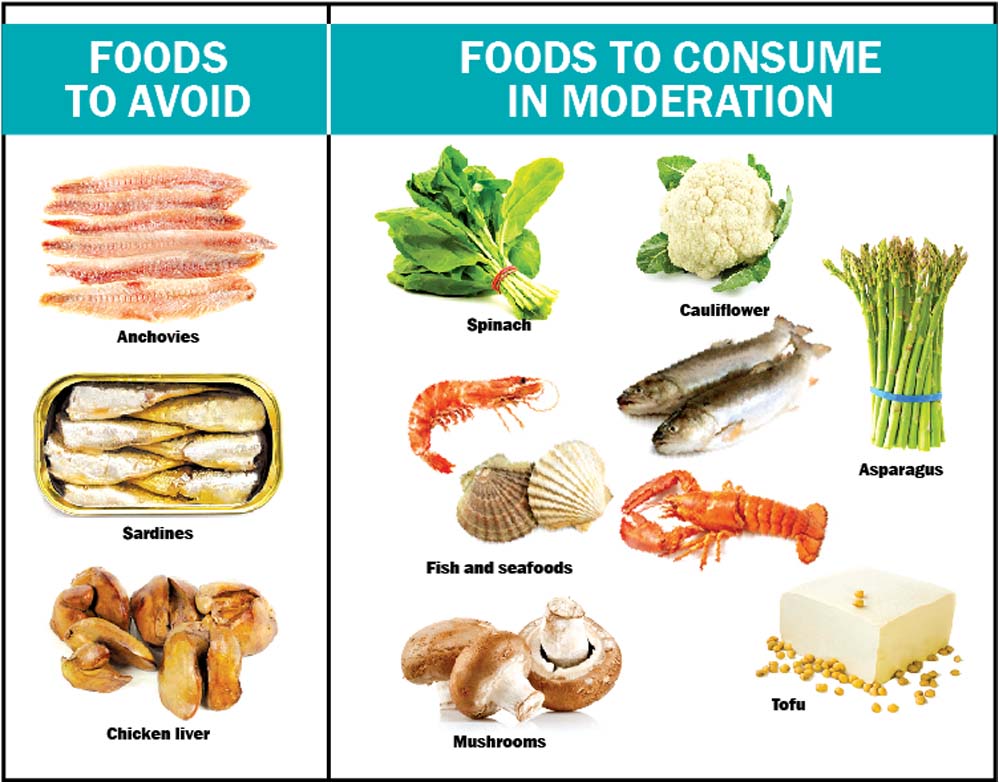
Since uric acid is formed when purine is broken down in the body, a purine controlled diet should be adapted as part of treatment for uric acid lithiasis. The following foods with high purine content must be avoided: liver and glandular organs; anchovies; sardines; and meat extracts.

Foods that contain moderate purine must be consumed in moderation such as: fish and seafood, lean meat, chicken and other poultry, beans, tofu, soy, peas, asparagus, mushrooms, cauliflower, spinach, and oatmeal.
17Food-to-avoid-Food-to-consume

The previously listed foods should not be avoided or limited unless you have kidney stones. These foods are rich sources of nutrients that are beneficial to the body but should always be eaten in moderation and as part of a well-balanced diet for normal individuals.

Make an effort to drink lots of water even when you’re not thirsty. Remember that proper hydration is prevention!
Bone appetit!

When we’re at the peak of our youthfulness we barely give much thought to our bone health. When my brother and I were still kids, I wasn’t a big fan of milk so I gave him my share every day during breakfast. I was reed thin and he was, well, chubby and cute! Had I known that my bone mass would be low when I reach adulthood, I would have drank his share to double up my portions.

We reach our peak bone mass at the age of 30. Beyond that, we lose bone mass more rapidly than we gain. Bone remodeling is a lifelong process of breaking down old bones and forming new ones. Low bone mass simply means having brittle, less dense, and weak bones that puts us at risk of developing osteoporosis and fractures in later years. Osteoporosis is a condition that weakens the bones. Asian women are at high risk for developing osteoporosis. Common risks also include smoking, alcohol intake, sedentary lifestyle, and low intake of calcium food sources.

Teens need 1000 mg of calcium everyday to help in bone formation. Adults ages 19 to 49 need 750 mg per day to help make bones stronger. At the age of 50 to 64, women need more calcium than men, 800 mg and 750 mg, respectively. Older adults age 65 and above need 800 mg per day to slow down bone loss.

Calcium requirements can be met through a diet composed of calcium rich foods however, if the diet does not provide enough calcium, supplementation may be needed through the proper guidance of a physician or registered nutritionist dietitian.

Calcium-rich foods and calcium content:

300 mg each:

1 cup milk

1 cup yogurt

1 cup calcium fortified soy milk

2 slices of cheese

200 mg each:

checkbook-sized salmon

6 pcs sardines

150 mg each:

1/2 cup tofu

1/2 cup cooked spinach

100 mg each:

1/2 cup frozen yogurt or ice cream

1/4 cup almonds

50 mg each:

1 pc. orange, medium

1/2 cup cooked broccoli

Two to three cups of milk plus consumption of other foods containing calcium like green leafy vegetables is enough to meet daily needs. Always choose low fat or non-fat milk and dairy products.

If you have lactose intolerance or experience stomach upset (diarrhea, gas, bloating) after consuming dairy products, try to eat or drink dairy products in small amounts and include them during meal times. It will help you digest lactose (sugar found in milk) better. You can also take lactose free dairy products or lactase enzyme tablets.

Calcium does not work alone. It needs the help of other nutrients such as vitamin D, vitamin K, potassium, flouride, and magnesium. Requirements for Vitamin D or the sunshine vitamin can be met through sun exposure for 15 minutes every day. Food sources of Vitamin D are milk, egg, and fatty fishes like tuna, salmon, and sardines.

To ensure healthy bones, keep these three things in mind:

• Consume calcium-rich foods everyday

• Engage in weight bearing exercise and be physically active

• Avoid smoking and alcohol

[email protected]/www.cheshireque.com

Eating Disorders Vs Disordered Eating

Since time immemorial, society has placed a premium on beauty especially among women. It could be seen as a blessing and be used to one’s advantage but could also bring about misery and self-destruction. To quote a dear friend, “Beauty has become a part of a woman’s daily necessity. To be beautiful inside and out requires meticulous touch.” But just how much is too much? When does the pursuit of beauty become detrimental to one’s health?

Whether in denial or deliberately choosing to conceal the truth, we can’t discount the fact that our society is full of people obsessed with being beautiful and suffering from a condition known as disordered eating. While disordered eating is a serious health threat, it is not considered a disease although it could lead to life-threatening medical conditions, which fall under one category: Eating Disorders.41

THREE TYPES OF EATING DISORDERS

Anorexia Nervosa is characterized by extreme obsession with being thin and food restriction. People with this condition are in denial of hunger to the point of starvation. They may engage in excessive exercise, withdraw from society, and manifest intense fear of gaining weight and eating in public. They may have trouble sleeping and show lack of emotion or, at times, become irritable. This may also lead to loss of menstruation or amenorrhea among women. Being a perfectionist is a common trait.

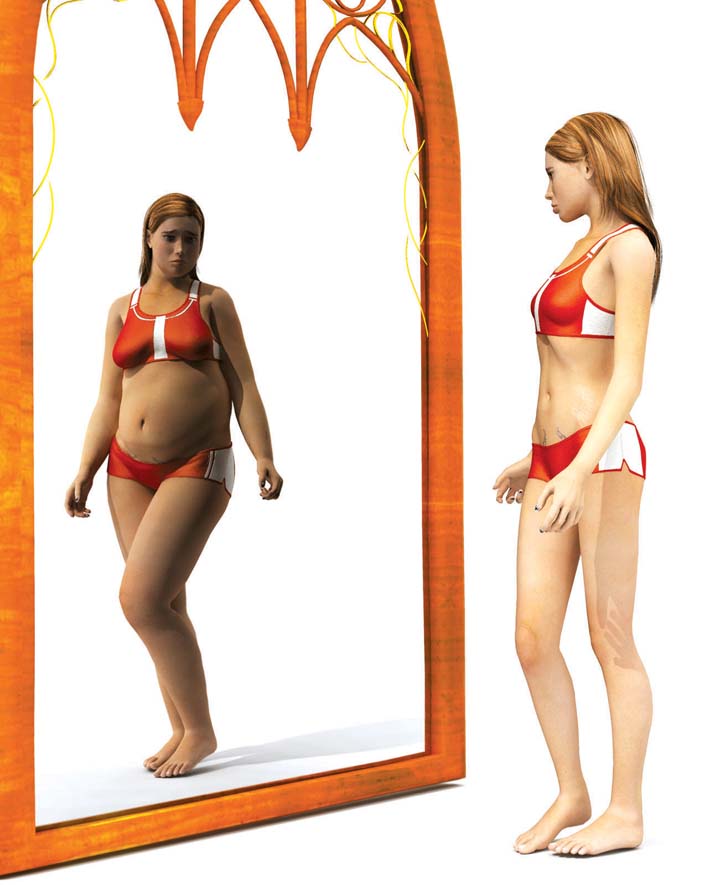
Famous singer Karen Carpenter died of heart failure brought about by Anorexia Nervosa. Just like her, people with this illness look frail thin. Some develop soft downy hair on the body called lanugo. They could look at themselves in the mirror and still think they are overweight, thus causing a negative perception of one’s self or distorted body image.

Bulimia Nervosa is evident among people who eat large amounts of food in a short time (bingeing) and getting rid of the food or calories by self-induced vomiting (purging), use of laxative, or excessive exercise. These people are usually within a normal weight range or may be a little bit overweight.

A person with Bulimia Nervosa eats high fat and sugary foods and doesn’t stop until s/he feels pain or discomfort. Damaged teeth and gums and callused hands from purging are warning signs to look watch for.

Guilt is the enemy. After bingeing and purging, guilt sets in which the person feels compelled to give in to his/her emotions and the cycle goes on and on.

Eating Disorders Not Otherwise Specified (EDNOS) is the third type of eating disorder. This includes binge-eating disorder and nocturnal (night) eating syndrome.

Binge-eating disorder is characterized by consumption of large amounts of food within two hours accompanied by a sense of losing control. One may feel discomfort and disgust after eating rapidly, eating along, and eating when not hungry. This is different from overeating, which is usually done in parties and social functions. Rather, binge-eating is done in secret coupled with negative emotions.

Nocturnal (night) eating syndrome consists of morning anorexia, extreme hunger in the evening, and insomnia. This condition may be exacerbated by stress.

These psychological illnesses need to be properly diagnosed and treated by a team of health professionals that can competently address the medical, emotional, and nutritional needs of the individual.

Now, you may not have an eating disorder but you could still be at risk of having disordered eating symptoms which could affect you mentally and physically. Ask yourself these questions:

1. Do you engage in yo-yo dieting?

2. Does your weight fluctuate frequently?

3. Do you follow an extremely restrictive and unhealthy diet plan?

4. Do you follow an extremely rigid exercise program?

5. Do you feel guilt and shame when you’re unable to maintain a “healthy” diet and “good” exercise habits?

6. Are you preoccupied with food, body image, and exercise thus causing you distress and negativity?

7. Are you an emotional eater?

8. Do you use exercise, food restriction, fasting, purging, diet pills, or laxatives to compensate for “excessive” eating?


If you answered yes to any of these questions, I suggest you seek professional help. Consult with a Registered Nutritionist Dietitian for counseling and proper nutrition intervention.


[email protected], www.cheshireque.com