Archives May 2014

Christmas parties

Christmas-parties


A few hours before I wrote this article, I was in my office listening to my patient sharing her feelings about some relatives and friends who love to utter “insensitive” words especially during holiday parties or intimate gatherings. As I did many times in the past, you might have also found yourself in the same situation. You go to a party, meet friends and relatives you only see during Christmas season and the first greeting you get are either of the following statements: “You’ve lost so much weight!” or “You’ve gained a lot of weight!” Sounds familiar?

Or perhaps, you could be the one guilty of carelessly and loudly stating your observation within earshot of other guests, which led them to turn around and stare at the person whose entire being was reduced to his or her being too fat or too skinny.

In my 11 years of practice as a dietitian consultant and having battled with fluctuating weight due to my thyroid problems, I know how it feels to be ridiculed or made fun of because of being overweight and drastically losing so much weight in such a short time.

I have worked with so many clients struggling to lose or gain weight. Setting aside health as a priority and succumbing to unrealistic expectations and standards set by the society.

These simple but insensitive words are far more damaging to one’s health than eating high caloric foods during the holidays not to mention the perfect way to dampen a person’s Christmas spirit. Why? This situation would surely affect the person emotionally which will greatly affect food intake and eating habits.

Some people will get so conscious they will start to deprive themselves and when they can’t sustain the restrictive diet, they will crave and give in to binge-eating. This is a vicious cycle that is detrimental to health. On the other hand, skinny people could get frustrated when they start to eat high caloric foods but fail to rapidly increase weight.

According to the Mayo Clinic, emotional eating is eating as a way to suppress or soothe negative emotions, such as stress, anger, fear, boredom, sadness and loneliness.

Here are some ways to combat negative feelings when caught in an awkward situation like this:

Understand that friends and relatives often utter these words because they just don’t know what to say. They don’t mean to hurt your feelings. You probably won’t be the only person to be greeted that way. So learn not to take it personally.

If you are aware that there is some truth to what they actually said, then take it as a challenge to motivate you to set realistic goals to achieve a healthier lifestyle. As the saying goes, the truth hurts. This is the time to turn something negative into positive. There is always hope once we get past the stage of denial.

Practice the art of responding positively. Smile and compliment them instead of acting defensive and trying to explain why you are skinny or fat. Trust me, they won’t be interested in listening to your explanations. They would rather talk about more exciting things other than your weight. So just enjoy the party!

Happy Healthy Holidays!

(For comments email [email protected] or visit www.cheshireque.com. Twitter:CheshireQue)

Holiday food safety

Holiday-Food-Safety


Holiday Years ago, I celebrated New Year’s Eve wallowing in self-pity with an IV insertion (commonly called “dextrose”). I stayed inside the house the whole time listening to the firecrackers outside. I was dehydrated from having round the clock diarrhea, vomiting and fever. Another year, I was in the middle of a church service to celebrate Christmas when I felt queasy and suddenly fainted. I was rushed to the hospital due to stomach upset. Many less serious episodes happened to me and I noticed a trend. I get stomach upset during the holiday season! I remember one time when I prayed so hard before attending the first Christmas party for that year. I was so scared to be sick and miss all the fun!

As we celebrate the holidays with family and friends, some unwanted and uninvited “guests” can join the party. These “guests” are microorganisms that cause foodborne illness. Common symptoms are vomiting, diarrhea and flu-like symptoms which can be experienced within a few hours or days after eating the contaminated food.

Healthy people usually get better after a few days without medical treatment. However, food borne illness may be life threatening to the following: infants and children, pregnant women, elderly, people with weak immune system caused by cancer, HIV/AIDS or some medications.

Here are some tips to ensure food safety over the holidays:

When attending or hosting a party

• Always wash your hands before and after handling food and eating especially if you’re having finger foods during the party.

• Hot foods should be kept hot and cold foods cold. The danger zone is between five to 60 degrees Celsius. When you get food from the buffet table, it is best to scoop from the center or bottom because the food temperature will be hottest. Chilled foods like salads and some seafoods should be well surrounded by ice and again, choose from the part that is set deep in the ice.

• If you are the one preparing the food, follow the Two-Hour Rule when serving at room temperature. Avoid serving large batches at one time. It is always best to refill every two hours to prevent bacterial growth.

• Avoid serving or eating foods prepared with raw egg. It may be contaminated with Salmonella.

• Avoid meat dishes that look dried out and wilted salads. These foods have been on that buffet table for long hours and are likely to have bacteria.

What to do with leftovers

• Leftover food should be placed in shallow containers and refrigerated after two hours of staying at room temperature.

• Leftovers should be consumed within three to four days. Make sure you reheat properly. Bring leftover sauces to a boil.

• Desserts made with cream and cheeses should be consumed within two to three days.

• Take time to smell and carefully examine the food before reheating. If the smell is off and it looks spoiled, discard it.

• Remember when in doubt about the freshness of food, discard it. It is better to be safe than sorry.

Have a safe holiday everyone!

For comments email [email protected] or visit www.cheshireque.com. Twitter: CheshireQue.

Baby, it’s cold outside

Have you ever noticed that more people are sniffing and coughing just when the “BER” months come and we start to feel the air getting cooler? Cough and colds are common especially during the Christmas season. There are many factors that cause our immune system to weaken such as staying up all night, stress from the holiday traffic and more. Don’t fret! There are ways to boost your immune system. Get your daily dose of the following nutrients from your food intake:

Vitamin A helps protect the tissues in your nose, mouth and lungs from infection. Yellow, orange, red and green colored fruits and vegetables, egg, fortified milk and cereals are good sources.

Vitamin C boosts the immune system by helping the body form antibodies that fight infection. Citrus fruits, tomato, bell peppers, berries, and papaya are rich sources.

Vitamin E acts as an antioxidant that combats free radicals which attack the body when the immune system is weak. Malunggay (Moringa), spinach, broccoli, olive oil and nuts are good sources.

Zinc is gaining popularity in recent years. It helps keep the immune system healthy and is abundant in protein-rich foods like lean meat, poultry (chicken), seafood, legumes (beans and peas), milk and whole grain products.

If prevention isn’t successful and you unfortunately catch colds and cough, there are some ways to ease the pain of swallowing with a sore throat and relieve nasal congestion or clogged nose. My assistant calls me “Mang Kepweng” (google anyone?) whenever she sees me taking my so-called “potions.” Here are some home remedies that you might find effective:

Drink warm water. The temperature will help decongest your nasal passages or simply put, unclog your nose. Water will soften thick mucus, which will make it easier for you to expectorate (spit out) or blow your nose.

Add honey to your tea or water. Two teaspoons of honey can soothe your sore throat. According to James M. Steckelberg, M.D. of Mayo Clinic, honey appeared to be as effective as a common cough suppressant ingredient, dextromethorphan. Caution: Never give honey to children below 1 year old and most Vegans do not eat honey.

Drink peppermint tea. According to The University of Maryland Medical Center, peppermint not only thins mucus but it also soothes sore throat and helps with dry cough as well.

reshly squeezed citrus fruits like orange, lemon, lime, calamansi and dalandan are rich in Vitamin C and tastes very refreshing! You can also try 100 percent fruit juice sold in the grocery stores for convenience.

Ginger tea or salabat is my all time favorite. The spicy flavor is very soothing and ginger has antibacterial properties. It also tastes better when you add some honey and lemon to it.-

Gargle with a salt solution. This will help relieve sore throat. Dissolve one teaspoon of salt in 1 cup of warm water and gargle three to four times a day or as needed especially when your throat feels dry.

If symptoms persist, it is best to seek medical advice for proper assessment and treatment of your condition.

For comments email [email protected] or visit www.cheshireque.com. Twitter: CheshireQue

Healthy happy holidays

Healthy happy holidays


It’s the most exciting season of the year. Christmas is just around the corner. How many Christmas parties do you plan to attend this year? I don’t know about you but I won’t pass the opportunity to enjoy delicious Christmas dishes and goodies after eating healthy for the past 11 months. However, I wouldn’t want to have a Santa belly after the holidays are over. Are you thinking what I’m thinking? Let me share some practical tips on how to have a guilt-free holiday.

BE REALISTIC. This is not the right time to start a weight loss program or go on a strict diet. Christmas only comes once a year so don’t be a killjoy. Don’t deprive yourself. Please don’t get me wrong. I don’t mean you should go overboard and forget healthy eating habits. Aim to just maintain your current weight whether you are overweight or not.

BALANCE what you eat during the day and during the party. Load up on fiber like fresh fruits, smoothies, salads, multi grain cereal, oatmeal, granola bar and non-fat dairy products like milk and yogurt throughout the day and just before going to a party. Fiber is best paired with water to make it expand and make you feel fuller.

DON’T DRINK YOUR CALORIES. Alcoholic beverages, soda, chocolate drinks and the like are calorie laden. A serving or less per day throughout this season will help you limit the amount of calories you consume. Go for water, sparkling water, sugar-free soda, teas, small servings of chocolate drinks and alcoholic beverages.

ENJOY THE PARTY AWAY FROM THE BUFFET TABLE. Parties are not just about the food. It’s about socializing and meeting people. Go around and greet your friends the moment you arrive instead of heading straight for the buffet table. Talking is zero calorie.

PRACTICE PORTION CONTROL by going around the buffet table first to check out the food choices and decide on what you really want to have. Take small servings to be able to sample each and every food you wish to taste. Take time to properly chew your food and drink lots of water in between. As I said, we shouldn’t deprive ourselves but we should eat in moderation so as not to gain weight.

STOP WHEN YOU’RE FULL. Don’t wait until you feel like your tummy’s going to explode before you stop eating. Trust me the feeling is awful. If you’ve eaten until you’re satisfied, stop! There will be more parties to go to this month. Besides, you ladies wouldn’t want to see bulges on your lovely and shapely dresses now would you?

KEEP MOVING to burn excess calories. I understand that days off from work are best spent catching on sleep or doing sedentary activities but with so much time on your hands, you can surely spare at least 10 minutes at a time to do brisk walking, use that treadmill that you bought ages ago, bring out the interactive video games, do household chores, play sports with your kids or follow online video exercises. Make the most out of your free time. Set the time to do a physical activity everyday and stick to it. Encourage your family or friends to exercise with you. It’s going to be more fun!

Enjoy the healthy happy holidays!

For comments email [email protected] or visit [email protected]. Twitter CheshireQue.

Healthy alternatives

Feeling unwell? Pop an over the counter pill and wait till you feel better. What if you don’t get better? Go see your doctor and take the prescribed medications. Sounds familiar? I guess most of us are in the same boat.

For the past 11 years of being a Dietitian-Nutritionist, I noticed that disease management has evolved from exclusively using traditional or conventional medicine into a more holistic approach called integrative medicine. Think of integrative medicine as a one stop shop that offers everything needed to address the health and well-being of a person rather than focusing only on the disease. It combines practices from conventional medicine and alternative medicine to cure or prevent the onset of diseases.

The National Center for Complementary and Alternative Medicine (NCCAM), the agency that funds scientific research on complementary and alternative medicine classified this type of approach into five categories:

Whole medical systems – involves ancient healing systems like Ayurveda from India and Chinese medicine; homeopathy; and naturopathy which includes massage, acupuncture, herbal remedies, exercise and lifestyle counseling.

Mind-body medicine – includes meditation, prayer, relaxation and art therapies.

Biologically based practices – includes the use of dietary supplements and herbal remedies.

Manipulation and body-based practices – includes chiropractic and osteopathic methods as well as massage therapy.

Energy medicine – includes reiki. therapeutic touch, qi gong and magnet therapy. These therapies focus on the invisible energy glow in our body.

Health professionals from all over the world have valid but varied and sometimes conflicting opinions about the effectivity of combining conventional medicine with complementary and alternative medicine in treating or preventing diseases.

Let’s talk about the specific category involved in my field of practice: Dietary supplements. It would be wrong for me to say that supplements are all good or all bad for our health. There are guidelines that we need to follow to ensure the safety and efficacy of these supplements. Overdosing is simply not beneficial or may even pose a threat to our health.

According to the Dietary Supplement Health and Education Act (DSHEA), dietary supplements refer to a broad range of products: vitamins, minerals, herbs or botanicals, amino acids, enzymes, hormones, concentrates, extracts and metabolites.

Let’s get one thing clear though. No amount or type of dietary supplement can replace the perfect combination of vitamins, minerals, phytonutrients, fiber and other substances we can get from “real” foods. Although, supplements can help improve nutrient deficiencies from poor appetite, very low caloric intake, diseases and malabsorption of nutrients.

Who needs to supplement?

• Women of child-bearing age can benefit from taking folic acid, a synthetic form of folate. Folate is abundant is fruit, vegetables and legumes.

• Women with heavy menstrual flow may need to take iron supplement. It should be taken on an empty stomach with water and vitamin C rich foods like citrus fruits to enhance absorption.

• Pregnant or lactating women may need more iron, folate and calcium if food intake is not sufficient.

• Menopausal women will benefit from calcium and vitamin D supplement to prevent osteoporosis.

• A person on a very low calorie or restrictive diet would need vitamin and mineral supplementation because he or she won’t likely get optimum nutrition from food intake.

• A vegetarian may need calcium, iron, zinc, Vitamin B12 and Vitamin D if intake of meat and dairy products are not enough.

• A person with lactose intolerance or very limited sunlight exposure will need calcium and Vitamin D supplementation.

• A person with a health condition that affects nutrient absorption due to medications, surgeries, injuries and etc. will need prescribed dietary supplements.

Before taking any dietary supplement, it is better to consult your nutritionist-dietitian and physician to prevent any health problems.

For comments email [email protected] or visit www.cheshireque.com. Twitter: CheshireQue

When food and drugs collide

Almost everyone has taken a pill or two in their lifetime. When we’re sick, we just take the medication and pray that we get well soon. Little do we know that the medications we are taking may actually be detrimental to our health when paired with the wrong type of food or nutrient. As a Dietitian-Nutritionist, it is my duty to make sure my client’s food intake will support the efficacy of his or her prescribed medications. Today, I am sharing some common drug-nutrient interactions to you.

Antibiotics and Probiotics – Diarrhea and destruction of normal GI flora (good bacteria) in the gut causing depletion of B Vitamins are the side effects of antibiotic therapy. Probiotic drinks like Yakult, kefir and the like can help prevent these. However, it should be taken a few hours after ingestion of the drug as it contains live bacteria which will be killed by the antibiotic rendering the probiotic drink useless.

Antidiabetes and Vitamin B12 – Vitamin B12 helps maintain nerve cells and red blood cells. We get it from meat, fish and dairy products. The antidiabetic drug Metformin interferes with the absorption of Vitamin B12 intrinsic factor complex. The intrinsic factor is a protein that binds with Vitamin B12 to be absorbed in the small intestine. Calcium supplementation and annual injection of Vitamin B12 can correct this deficiency.

Aspirin and the 3Gs and 2Fs – I call them the 3Gs: garlic, ginger and gingko; and the 2Fs: Fish oil and Flaxseed oil. High doses of these supplements including Vitamin E can increase the risk of bleeding when taken with aspirin.

Antidepressants and Tyramine – Chocolate, alcohol, aged cheese, fermented food, processed meats, smoked fish, avocado and banana contain tyramine which interacts with Monoamine Oxidase or MAO inhibitors causing the blood pressure to dangerously rise.

Antihypertensives and Caffeine – Coffee, tea, caffeinated beverages and supplements do not cause hypertension but may oppose the effects of antihypertensive drugs giving inaccurate blood pressure readings. The blood pressure may temporarily increase within 30 minutes of consumption, peak in one to two hours and may last for more than four hours before blood pressure drops down to accurate reading. Avoid caffeine prior to having your blood pressure checked.

Anticoagulant and Vitamin K – Green leafy vegetables are rich in Vitamin K which causes our blood to clot when we get injured. Increased consumption of Vitamin K rich foods will counteract the effects of the blood thinning agent Coumadin (Warfarin). This condition can be life threatening.

Lipid lowering drugs and Grapefruit juice – Lipitor (atorvastatin) and Zocor help lower cholesterol levels. Grapefruit juice inhibits the breakdown of these drugs causing drug levels to rise in the blood for up to four days. All cholesterol lowering drugs interfere with the absorption of fat soluble vitamins A,D,E,K. There should be an interval of four to six hours when you take these drugs and vitamin supplements.

There are so many foods that interact with medications. It is best to consult your physician and seek the advice of a Registered Dietitian-Nutritionist to ensure that you are getting the right amount of nutrients to prevent nutrient deficiencies without compromising the therapeutic effects of your medications.

For comments email cheshire19Drugs-Collide[email protected] or visit www.cheshireque.com. Twitter CheshireQue

Sweet Substitute

Sweet Substitute
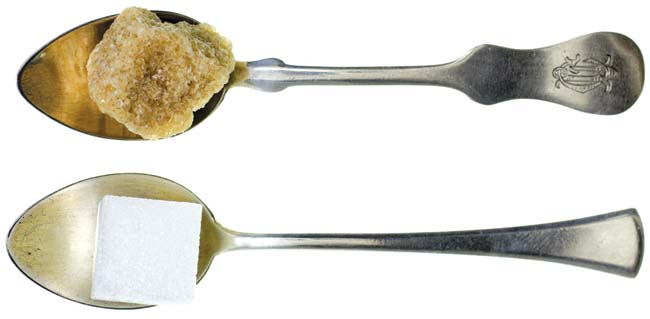
Ninety-nine percent of the people I know are partial to anything sweet. However, most of us are concerned about the consequences of having a sweet tooth. Dental caries, weight gain and Diabetes are associated with excessive intake of sugar coupled with a sedentary lifestyle. Thus, the emergence of sugar substitutes that allows us to indulge our sweet cravings sans the guilt.
It is important for us to be aware of the health benefits and the adverse effects of artificial sweeteners based on scientific evidence. Does artificial sweetener cause cancer? Is it safe?
Sugar substitutes are substances that have no calories or nutritive value. Amidst the controversies and debates over the safety of these substances, the US Food and Drug Administration, an agency that regulates food safety has approved the use of the following sugar substitute ingredients:
Saccharin – After it’s discovery in the 1800’s, the FDA proposed a ban in 1997 because this was found to cause cancer in rats. However, in 2000, saccharin was officially DECLARED SAFE FOR HUMAN CONSUMPTION because the study on rats was inappropriate for human studies and cancer was caused by the high dosage given to rats. This is NOT RECOMMENDED FOR PREGNANT WOMEN.
Aspartame – In my opinion, this is the most controversial one since aspartame is made from two types of amino acids phenylalanine and aspartic acid. Upon absorption, aspartame is broken down into methanol, an alcohol used in industry products like paint thinner. Methanol is further broken down into formaldehyde and formic acid. That’s right formaldehyde is the substance used for embalming. Scary right? However, our body naturally produces formaldehyde in greater amounts compared to aspartame. Formaldehyde is used to make important substances in the body and the excess is eliminated through the urine or broken down into carbon dioxide and water. Strong evidence from scientific studies have proven that aspartame is NOT ASSOCIATED with hypersensitivity reactions, brain cancer, headache, seizures, memory, mood, learning and thought disorders. However, people with PKU or Phenylketonuria a rare genetic disorder should avoid aspartame since they cannot break down phenylalanine, aspartame’s main ingredient. FDA approved in 1981.
Acesulfame-K – FDA approved this in 1998. This is stable in heat so it can be used for cooking and baking unlike other sugar substitutes which break down in high temperatures leaving a bitter taste. K stands for potassium which is an electrolyte found in our body.
Sucralose – FDA approved in 1999. This sweetener is heat stable and is ideal for cooking and baking. It is not absorbed in the body and is flushed out through the urine and feces.
Stevia – I came across this sweetener only in the recent years. Stevia came from a plant called Rebaudiana Bertoni which is native to Central and South America. There have been no documented adverse effects from the consumption of this sweetener.
Artificial sweeteners can be a part of a healthy diet plan to control blood sugar levels, prevent dental caries and to reduce caloric intake for weight management. However, one should be careful in eating large amounts of sugar-free foods. Sugar-free does not mean calorie-free or carbohydrate-free. Foods that use sugar substitutes as an ingredient still contain calories and carbohydrates that will cause blood sugar levels to rise as well as weight gain when consumed in excessive amounts.
For comments email [email protected] or visit www.cheshireque.com. Twitter: CheshireQue