We have all seen products that are labeled gluten free. Are these products beneficial or harmful to our health? A lot of people think that when a product is labeled as gluten free then it’s healthy. Well, I’d say, not necessarily. It is important to know the reason behind the consumption of these products.
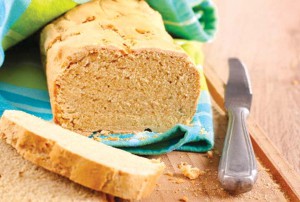 Gluten free products are big in the market now. I have talked to a lot of people buying gluten free products for many reasons but not one of them gave me the only reason why one should go on a gluten free diet—Celiac Disease! In my 12 years of practicing as a nutritionist-dietitian, I have never encountered a Filipino with such a condition and I therefore conclude that Celiac Disease is not common in the Philippines. But why are we buying gluten free products? What for?
Celiac disease is a genetic condition wherein the body’s immune system reacts to gluten, a protein found in wheat, rye and barley. Wheat is used for making flour and the fermentation of beer. Flour, as we all know, is the main ingredient of breads, cakes, cookies, other baked products, noodles, pasta and breakfast cereals. Next to rice, Filipinos consume large amounts of the products that I have mentioned and yet gluten sensitivity is still not common among Filipinos. A person may also be sensitive to gluten but not actually show any signs and symptoms.
When a person with Celiac Disease eats wheat, rye or barley, the gluten causes the immune system to damage the lining of the small intestine thus causing stomach pain, diarrhea, fatigue, joint pain and a skin condition called dermatitis herpetiformis characterized by itchy skin rashes. Celiac disease puts a person at risk of having nutrient deficiencies since most of the nutrients we get from food are absorbed in the small intestine. A gluten-free diet is used as a treatment to relieve symptoms of Celiac Disease.
Although not yet proven and further research is needed, some people claim that going on a gluten-free and casein-free diet (GFCF Diet) have relieved symptoms of autism, a condition affecting brain function, social and communication skills. Casein is a protein found in milk. Since the GFCF diet is not yet proven effective in treating this condition, it is best to talk to a Registered Nutritionist-Dietitian to prevent nutrient deficiencies. Adapting a casein free diet and removing milk and dairy products from one’s diet may be detrimental to your health. Milk is very rich in calcium, which is needed to maintain bone and muscle health.
Recently, gluten-free diet has been linked to athletic performance. Some athletes claim to have improved their performance after excluding gluten from their diet. Further studies are needed to prove this claim. Therefore, it is not necessary for athletes to adapt a gluten free diet. Proper sports nutrition as well as training would result to optimum performance.
Buying and eating gluten-free products may not be harmful. However, when one chooses to go on a gluten-free diet, it is important to make sure that food intake is still well-balanced to prevent nutrient deficiencies. Other carbohydrate sources like rice, starchy vegetables like potato or corn and gluten-free bread and gluten-free pasta can be substituted for products that contain gluten.
It is important to be well informed about products and labels before accepting them as part of one’s lifestyle.
www.cheshireque.com

Leave a Reply