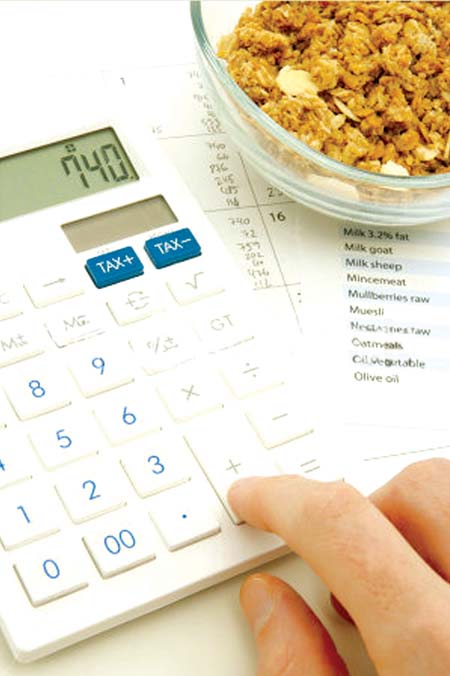
Is calorie counting effective for weight management? Yes it is. But is it healthy to count calories when trying to lose or gain weight? Not necessarily. I will help you understand what is calorie counting, it’s health benefits as well as health risks. It’s not as complicated as it seems.
Calories (kcal) are the energy we derive from the food that we eat. Carbohydrates, protein, and fat all contain calories. They fuel the body to be able to function 24 hours a day. We use less calories when sleeping and resting. We burn more calories when we are physically active.
Caloric Balance
Caloric balance means that the amount of energy intake from food is equal to the amount burned during physical activities and used for physiologic processes like digestion and respiration.
For weight loss, the amount of energy intake should be less than the energy expenditure or the amount of energy burned should be more than the amount consumed. Simply put, eat less, exercise more.
For weight gain, add more calories through healthy food choices and have a regular physical activity.
Caloric Needs
The daily amount of calories needed varies according to weight, height, physical activity, health condition, age and gender. Only Registered Nutritionist-Dietitians are legally qualified to calculate and prescribe a person’s Total Caloric Allowance or the amount of calories needed by a person in a day.
Decreasing the amount of calories you take in and increasing the amount of calories you burn will definitely make you lose weight. Therefore calorie counting is an effective tool to help you manage your weight. However, calorie counting alone does not ensure optimum nutrition. You may attain a normal weight range but may not be healthy due to nutrient deficiencies. Eating 2000 calories worth of junk food versus 2000 calories of well balanced meals will have different effects on your body. The former will increase your sodium, sugar, and fat intake causing health problems while the latter will decrease your health risks. Thus many people lose weight by cutting down on calories but tend to be sickly or may not look healthy at all.
The total amount of calories should come from complex carbohydrates like whole grains, starchy vegetables, dark leafy vegetables, fruits and non fat milk; protein from lean meat, fish, chicken, egg, low fat or non fat dairy products and beans; and fat mostly from nuts, seeds, plant oils, and fatty fish.
Calorie Counter
1/2 cup rice/plain noodles or pasta
= 80 to 100 kcal
1 slice of bread = 80-120 kcal
1 medium fruit (1 banana) = 60 kcal
1 cup of whole or cooked vegetables (without oil) = 25 kcal
2 cups raw leafy vegetables = 25 kcal
1 cup milk or yogurt = 80 to 150 kcal
1 medium egg = 63 kcal
3 ounces (deck of cards size) meat or chicken = 165 to 300 kcal (varies with fat content)
3 ounces (checkbook size) fish = 165 to 300 kcal (varies with fat content)
1 tsp. oil = 45 kcal
1 tsp sugar or honey = 20 kcal
Here’s an example of a quick estimate of a typical meal:
1 cup rice = 200kcal
3 ounces of fried chicken = 300 kcal
1 cup steamed vegetables = 25 kcal
1 medium apple = 60 kcal
Total calories = 585 kcal
To reduce caloric intake follow the tips below:
• Choose food prepared with less fat such as boiled, grilled, baked, roasted, stir-fried, sauteed, and steamed.
• Limit or avoid table sugar.
• Limit or avoid high caloric beverages. Water, brewed tea, and coffee have no calories.
• Eat fiber rich vegetables, fruits and whole grains to feel fuller.
For comments email [email protected] or visit www.cheshireque.com. Twitter: CheshireQue

Leave a Reply