
Tag nutrition
Wellness Tip

Feed your skin
Published by Manila Bulletin, September 23, 2014
Have you ever wondered why you still get acne in your 30s, 40s, even 50s? Contrary to what we believed in, acne breakouts don’t only happen during puberty. Adult men and women may suffer from this horrible skin problem too.
Many factors cause acne: sleep deprivation, hygiene, oily skin, and reaction to some cosmetics. What about food, you ask? What specific foods cause acne?
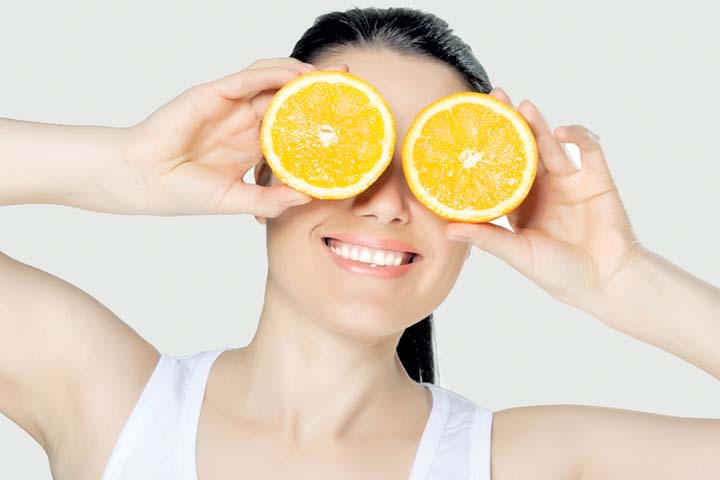 Perhaps you are one of those who kept blaming chocolates and peanuts for your zits. These foods have long been falsely accused if I may say so. There is no scientific evidence that shows a particular food is related to the development of acne. Therefore, let us not single out chocolates or peanuts for that matter. Instead, let us look at the role of diet in general in relation to the development of acne.
The skin has sebaceous glands that produce oil or sebum to lubricate the skin. When there is an excess in the production of sebum, the sebaceous gland ducts get blocked which may cause bacteria to proliferate and cause acne. Studies have shown that sebum production is influenced by a hormone called Insulin-like growth factor 1(IGF-1) which is very important for growth and tissue build up in the body.
A diet high in simple sugars (high glycemic index carbohydrates) causes an elevation of the blood sugar level. This in turn increases the body’s production of the Insulin-like growth factor 1 (IGF-1).
Carbohydrates like rice, bread, fruits, and vegetables are converted into glucose or sugar in the body. Glucose is very important because it is the primary source of energy for the brain and body. However, excessive consumption of carbohydrates especially from simple sugars like sugary beverages, candies, and processed foods that contain high fructose corn syrup like cookies and baked products increases IGF-1 which can greatly influence the development of acne. It is important to practice portion control and to choose carbohydrates sources like whole grains, breads made from whole wheat and whole grains, fruits and vegetables.
Recent studies have also linked the consumption of cow’s milk to the increase in production of IGF-1. This could be due to the IGF-1 hormones present in cow’s milk. However, as a dietitian consultant, I do not recommend anyone to stop drinking milk for this reason alone. Milk is a rich source of calcium and vitamin D, which promotes bone health. A cup or two of milk per day is beneficial. Incorporating adequate amount of milk to a well-balanced diet will definitely not cause acne or aggravate acne breakout.
It is important to nourish the skin from within not only to prevent acne but to have good skin integrity, prevent cuts and infection as well as delay aging. Consume more foods that are rich in antioxidants, vitamins A, C, E, and omega 3. Below is a list of skin-friendly foods that will keep your skin healthy.
• Yellow and orange colored fruits and vegetables like sweet potato, carrots, squash, banana, citrus fruits, papaya.
• Green leafy vegetables like malunggay, spinach, pechay
• Tomatoes and tomato products
• Blueberries and other berries, grapes
• Tuna, salmon, sardines, and other fatty fishes
• Walnuts and other nuts
• Legumes like beans, peas, lentils, soybeans
• Soy milk
[email protected]/www.cheshireque.com/IG:cheshirequerdn/Twitter:CheshireQue
Love chocolate
Published by Manila Bulletin, September 16, 2014
I grew up associating chocolate with the expression of love. Blame it on the chocolates selling like hotcakes during Valentine’s day. A book suggested that this connection started with Emperor Montezuma who drank 50 golden cups of chocolate every day as an aphrodisiac before going to his wives. Could there be a scientific explanation for this?
 Research studies have shown that chocolate goes beyond matters of the heart to health. It contains flavanols which are phytonutrients derived from plants. You see, chocolates are plant-based and can be eaten by vegans or vegetarians. The flavanols act as antioxidants that fight off free radicals. Think of free radicals as highly charged molecules that damage cells in the body. The flavanols block the damaging effects of free radicals by neutralizing them. Put more simply, free radicals are like terrorists in our body and the flavanols are the soldiers that protect our body cells from the terrorist attacks. Free radicals have been linked to cancer and other diseases.
Flavanols improve blood pressure and enhances blood circulation by preventing platelets (blood cells) from clumping together and becoming sticky which could block the flow of blood, oxygen, and nutrients in the body. This blood flow enhancing effect may have been the basis for Emperor Montezuma’s ritual of drinking rich chocolate before lovemaking after all.
By promoting blood flow, flavanols also enhance brain function. In 2006, Harvard University did a study among elderly subjects on the effect of daily consumption of 900 mg of flavanols for one week. Results showed an increase in blood flow to the brain. Patients with dementia have decreased brain blood flow therefore flavonols may be potentially beneficial in reducing the risk of dementia.
Flavanols also play a great role in keeping the immune system healthy by suppressing compounds that causes inflammation. An inflammation causes an immune response and too much of which are responsible for arthritis, heart diseases and autoimmune diseases like Type I Diabetes Mellitus. Instead of protecting the body, the immune system attacks the healthy cells.
Despite the many health benefits of chocolates, be mindful of the amount that you eat. After all, chocolates contain calories, sugar and fat. Portion control is key!
If you want to know more about the benefits of chocolates and how to make them, fulfill your chocolate dreams at The Chocolatier hands on workshop by A-List Professional Health Consulting Co which will be held on September 28, 1:30 p.m. to 5:30 p.m. at The Den, Marriott Manila. Call 586 3194 or email [email protected] for inquiries and reservations. Limited slots available.
Will yoga make you lose weight?
Yoga studios or shalas have sprouted just about everywhere. People practice yoga for spirituality, physical, and mental wellbeing, or weight management. In one of the conferences of the Nutritionist-Dietitians’ Association of the Philippines, a speaker talked about yoga and how some poses or asanas can stimulate our internal organs to secrete hormones that help keep our blood glucose (sugar) levels low but not to the point of experiencing hypoglycemia (very low blood glucose level).

Jonathan Cagas doing a handstand.
Can yoga make you lose weight? Can it help improve some medical conditions? It takes a yoga expert to answer these questions.
I met Jonathan Cagas in 2011 when I started my Ashtanga Vinyasa Yoga practice at Yoga Manila. He patiently guided me until I evolved from being an awkward yoga student who didn’t know what she was doing, to a more confident one who could do “not so perfect” headstands.
In 2007, Jonathan completed a 200-hour teacher training certificate and a 100-hour advanced studies in yoga and philosophy from the Centered Yoga Institute in Thailand and obtained a certificate in pranayama from the Kaivalyadham Yoga Institute in India. On top of his yoga education, he has earned three masters degrees on Physical Education from the University of the Philippines (UP), Diliman in 2005, Sports Science major in Sport and Exercise Psychology from the University of Jyväskylä in Finland, and Sports Science major in Diagnostics and Intervention from the Leipzig University in Germany. The last two degrees were earned as part of the Erasmus Mundus European Masters in Sport and Exercise Psychology program. He is currently an assistant professor at the Department of Sports Science of the UP Diliman College of Human Kinetics.
Jonathan defines yoga as a holistic mind and body system that leads one to take care of the mental and physical aspects therefore promoting overall wellbeing. It all starts with Kriyas or cleansing techniques of the breathing system or nasal passages to remove excess mucus that blocks the flow of prana or breath.
Ashtanga Vinyasa Yoga is a popular gymnastic type of yoga developed by K. Pattabhi Jois focusing on asanas that first cleanse the body to make it healthy and strong. According to Jonathan, this practice was designed for regular people since it involves all the elements of breathing, asanas, and meditative. It is a low-moderate exercise that promotes flexibility and strength. Yoga is not aerobic, it will not make you burn as much calories compared to other types of exercises. “You can burn around three to four calories per minute,” Jonathan says. That’s at least 270 to 360 kcal in 90 minutes of practice. Not much right? So how can yoga make you lose weight?

“Yoga can make you burn around three to four calories compared to other types of exercises,” – Jonathan Cagas, Yoga guru
Since yoga is a holistic system, the discipline encourages a plant-based diet. Jonathan used to be a lacto-ovo-vegetarian (consumes milk and eggs) for a long time and is now a pesco-vegetarian or pescetarian (includes fish). As you get deeper into the practice, you will learn to eat properly by making healthier choices and observing proper meal timing. In the early phases of my practice, I ate an entire chicken gyro sandwich and went straight to my class. I almost doubled over during practice.
The meditative aspect of yoga causes a down regulation of the brain’s hypothalamic system. The hypothalamus controls many metabolic processes including hunger and thirst. Stimulation of this part of the brain causes increased food intake and yoga causes an opposite reaction.
A study done by Alyson Ross, MSN, RN and Sue Thomas, FAAN, PhD, RN on The Health Benefits of Yoga and Exercise: A Review of Comparison Studies published at The Journal of Alternative and Complementary Medicine concludes that yoga may be as effective or even better than exercise in improving a variety of health-related outcome measures including heart rate variability, blood glucose, blood lipids (cholesterol and triglycerides), salivary cortisol (stress hormone), and oxidative stress (which causes the formation of free radicals). More studies are needed to examine the health benefits of the various types of yoga.
If you are contemplating on trying out yoga, here are some tips from Jonathan:
• Talk to the teacher and voice out concerns;
• Know the method and type of practice;
• Take Yin classes for relaxation; and
• Take Vinyasa classes for a more holistic approach.
[email protected]/www.cheshireque.com/IG:cheshirequerdn/Twitter:CheshireQue
Juicing 101 (Manila Bulletin)
Juicing 101
by Cheshire Que
September 3, 2013
September 3, 2013

Orange Juice
My late grandfather had colon cancer and his passing away was a wake-up call to me and my brother. I eat my fruits and veggies everyday. If these are unavailable, I take my supplements to make sure that I meet my daily vitamins, minerals and fiber requirements. My only brother, on the other hand, prefers to drink his veggies. Years ago, I used to watch him as he drank his canned vegetable juice over dinner. It looked disgusting so I asked him: “How does it taste like?” He replied: “Tastes like spaghetti sauce. It’s good!” I thought, yuck!
Is juicing healthy and beneficial? Yes and No
According to Jennifer K. Nelson, R.D., L.D., a Mayo Clinic nutritionist, there’s no sound scientific evidence that extracted juices are healthier than the juice you get by eating the fruit or vegetable itself.
Juicing can easily make your body absorb nutrients but it lacks fiber. Some juices contain more calories from added sugar and flavoring which could add to weight gain. Fruit juice has a higher glycemic index compared to a whole fruit. It rapidly increases your blood sugar level which could be a problem for people with Diabetes.
Juice Fast
Recently, juice fasting has been gaining much popularity. People try it for many reasons: detox, weight loss, antioxidants and so on. Last week, fitness coach Teem Partosa of SkyFitness Makati asked me: “My client wants to go on a juice fast. Can we still have the same workout program?” A juice fast can take from one to seven days. It is low caloric and does not contain much protein which is also needed to be replenished right after a workout. The amount of energy intake and output as well as medical condition should be carefully considered under the supervision of a health professional before undergoing juice fast and exercising to prevent any health problems. Weight loss after a juice fast will not be sustainable unless succeeded by a lifestyle change which includes proper food intake, increased physical activity and behavior modification. Prolonged juice fasting can also cause nutrient deficiencies.
Juice Right
Juicing can’t be all that bad. There are some practical reasons and health benefits we can get from it. If you don’t like eating fruits and vegetables, juicing can be a part of a healthy diet. Mixing a fresh apple and carrot with a teaspoon of honey over some ice cubes can do the trick and make you appreciate fresh produce more.
Retain the pulp – Use a blender instead of a juicer to get the health benefits of pulp or fiber from your fruits and vegetables.
Choose 100% – If you prefer to buy commercial juice products, choose 100% fruit and vegetable juices. It has no added sugars. Best options would be the ones with pulp and fortified with vitamins and minerals. Remember to read nutrition label, sodium content and practice portion control to avoid excessive intake.
Be Safe – To prevent bacterial growth and food poisoning, properly wash hands and use clean utensils in preparing your juices. Only prepare the amount of serving you can consume at one time to ensure freshness. Store at low temperature and consume right after or within a few hours.
Happy juicing!
For comments and suggestions: email [email protected] or visit www.cheshireque.com
Twitter: CheshireQue
Healthy is the New Sexy
Healthy is the New Sexy
When it comes to diet, would you choose something restrictive and tiresome or healthy and balanced while letting you enjoy it on the long haul? The choice is yours.
Charm your way to a healthy and sexier you with this newest and practical approach into losing weight: My Spa Diet. Pioneered by lifestyle and weight management consultant /US registered dietitian Cheshire Que, RND, RN, RD, www.myspadiet.com is the first online weight management program in the country that emphasizes a customized diet plan fit for a person’s lifestyle. Collaborating with registered nutritionist-dietitians, it provides a holistic approach on personalized way to meet nutrition needs while losing weight. The diet plan includes life giving foods, teaches smart eating habits and applicable exercise guidelines that considers four phases, pretty much the same concept of a spa: cleansing, detoxifying, rejuvenating, and balance.
Suffering from hormonal imbalance and thyroid problems at 25, Cheshire herself experienced a drastic weight problem. “It was challenging and crazy phase for a dietitian like me”, says Cheshire. “However, I took it as an opportunity to do intensive research; take seminars here and abroad to efficiently create a diet program to restore my health and achieve a healthy weight range which I managed to maintain all these years,” she concludes.
My Spa Diet applies a full-throttle psychology of nutrition and considers social aspect in losing weight that is not drastic, easy to apply, and flavorful menu plan that embraces all food groups but low in fat and high in fiber and nutrients. “It disciplines the body on smart eating, including the importance of hydration in the diet”, Cheshire adds.
By simply subscribing at $11.99 or about P500.00 monthly at My Spa Diet, it teaches clients to incorporate practical tips for gradual and sustainable weight loss that curbs craving for high-fat and high-sugar foods. By assessing the health status and calculating the body mass index (BMI)of a person, the subscriber will be guided with the correct portion serving for four weeks with several menu options that is just enough for a person’s daily recommended caloric intake. What’s more, this online diet plan teaches the art of portion control while letting the patient enjoy a variety of food whether at home or at a swanky restaurant with friends. Another practical tool is the food wheel which shows a number of healthy and delicious food choices. Planning meals are made easier with the online grocery list. Tired of rye bread for breakfast? Then check out other healthy alternatives or foods with added benefit or functional foods. The result is simply an exciting eating habit that will make you lose weight and sustain it!
And while a proper meal is important, hydration is also a huge part of My Spa Diet. “Restoring and maintaining a healthy fluid balance prevents muscle breakdown and enhances metabolism to efficiently burn energy thus aids in losing weight. It also rejuvenates the skin and keeps a clean digestive track. Aside from these, healthier food versions are commingled with aromathera-tea, or simply enjoying a daily cup of tea. Known to reduce risks of heart diseases, cancer, and an “oxidative stress” buster, there’s no reason why someone shouldn’t have a cup per day. Part of Cheshire’s healthy eating advocacy is to regularly include fiber in the diet and shares this tip, “Fiber is your friend when you are trying to lose weight. While insoluble fiber cleans your gut, functional or soluble fiber helps lower your blood cholesterol and control your blood glucose level, that’s why the fiber counter is a valuable tool in the site”, Cheshire adds. “Remember, to fully benefit from its rich detoxifying) properties, eat whole grains, wheat bread, vegetables, and moderate amounts of whole fruits to increase fiber intake,” she recommends.
When the My Spa Diet team came up with this special menu plan, they also had in mind people who suffer from lifestyle-related diseases such as diabetes, cardiovascular diseases, hypertension, obesity, cancer, kidney, liver diseases, and a host of eating disorders. “Feeling sexy is not only about a shapely figure, but being healthy inside out. That’s why we always encourage taking care of your body and it’s never too late to kick start an improved and healthier lifestyle”, Cheshire advices:
“You are what you eat”? Its cliche, but it’s true. Eating better will do the body a world of good. Invest on eating habits that nourish and rejuvenate the body, give energy and help prevent lifestyle related diseases. Losing weight and being sexy is a very welcome bonus, but it should be the benefit of snapping out chronic diseases that should always be the main goal. Needless to say, a healthy body is a sexy body.
To know more about My Spa Diet, contact lifestyle and weight management consultant/US registered dietitian Cheshire Que RND, RN, RD. For appointments, text or call 0916-2743944 or email [email protected]. Check out as well www.myspadiet.com