Because it should not be a no-brainer
We often associate unhealthy eating habits to the development of common diseases such as diabetes, hypertension and other heart diseases, right? But we don’t give much thought to how our diet can affect brain health. Oftentimes, we just accept the fact that memory loss or decline in brain function is expected as we age and forgetfulness is all part of aging.
Lack of sleep, stress, level of physical activity, lack of energy, depression and other factors can cause someone to be forgetful. However, diet also plays a major role in brain health.
Recent studies have shown that the foods found in the Mediterranean Diet help with memory, mental alertness and cognitive function (knowing, reasoning, perception, awareness and judgment).
According to the Mayo Clinic, research has shown that the traditional Mediterranean diet reduces the risk of heart disease. In fact, an analysis of more than 1.5 million healthy adults demonstrated that following a Mediterranean diet was associated with a reduced risk of death from heart disease and cancer, as well as a reduced incidence of Parkinson’s and Alzheimer’s diseases.
Therefore, a heart friendly diet is also brain friendly because it promotes good blood flow to the brain. The Mediterranean diet is high in fruits, vegetables, whole grains and legumes. Fish and seafood is consumed in moderate amounts as well as some poultry, eggs, cheese and yogurt. Meats and sweets are eaten occasionally. Olive oil is used for cooking and a glass of red wine is sometimes included. Red wine contains resveratrol which is good for the heart. However, one should be cautious in drinking alcoholic beverages despite the health benefits.
Adequate energy intake from foods rich in carbohydrates, protein and fat can enhance memory. It is important to have a well-balanced diet because no single food can give you all the nutrients that the brain needs. Therefore do not restrict your diet and avoid “no-carbs” or “no-rice” diet!
Antioxidants are not just for preventing cancer. Flavonoids, a type of phytonutrients or antioxidants found in fruits and vegetables, help prevent age-related cognitive decline and deterioration of brain cells called neurons.
Remember the saying “an apple a day keeps the doctor away?” Well, an apple does more than just keep the doctor away. It contains flavonols, a type of flavonoid that has been found to protect vulnerable brain cells as well as enhance their function.
Here are some plant foods that are good sources of flavonoids:
• apple
• broccoli
• onion
• tea
• berries
• citrus fruits
• kiwi
• grapes
• eggplant
• cabbage
We all heard that omega 3 fatty acid is good for the heart because it lowers bad cholesterol. If it’s good for the heart then it’s also good for the brain. According to Andrea Giancoli, RD, registered dietitian and Academy of Nutrition and Dietetics spokesperson, “DHA is the most abundant fatty acid in the brain. It makes sense that if you have higher levels of DHA in the blood, then the brain will operate more efficiently.”
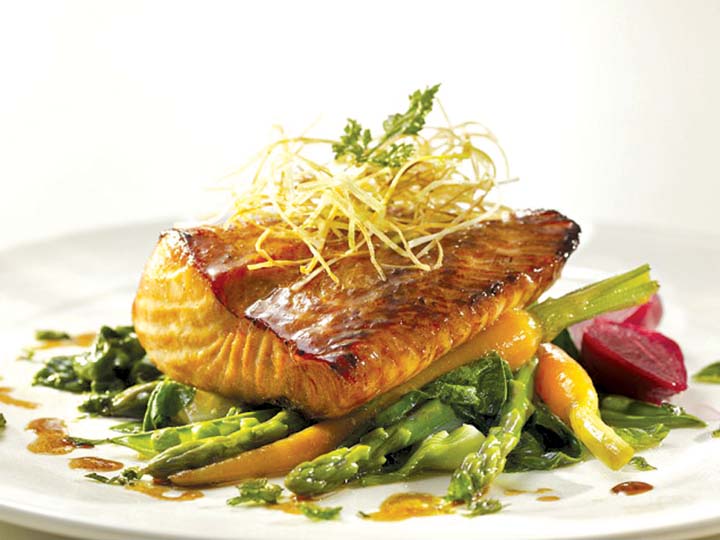
Omega-3 is abundant in fatty fishes like salmon, tuna and sardines. Oatmeal and walnuts are also high in omega 3. Take a close look at a walnut. It’s shaped like a human brain or maybe it’s just my imagination working from all the brain food I regularly eat!
(For comments email [email protected] or visit www.cheshireque.com. Twitter: CheshireQue)

Leave a Reply